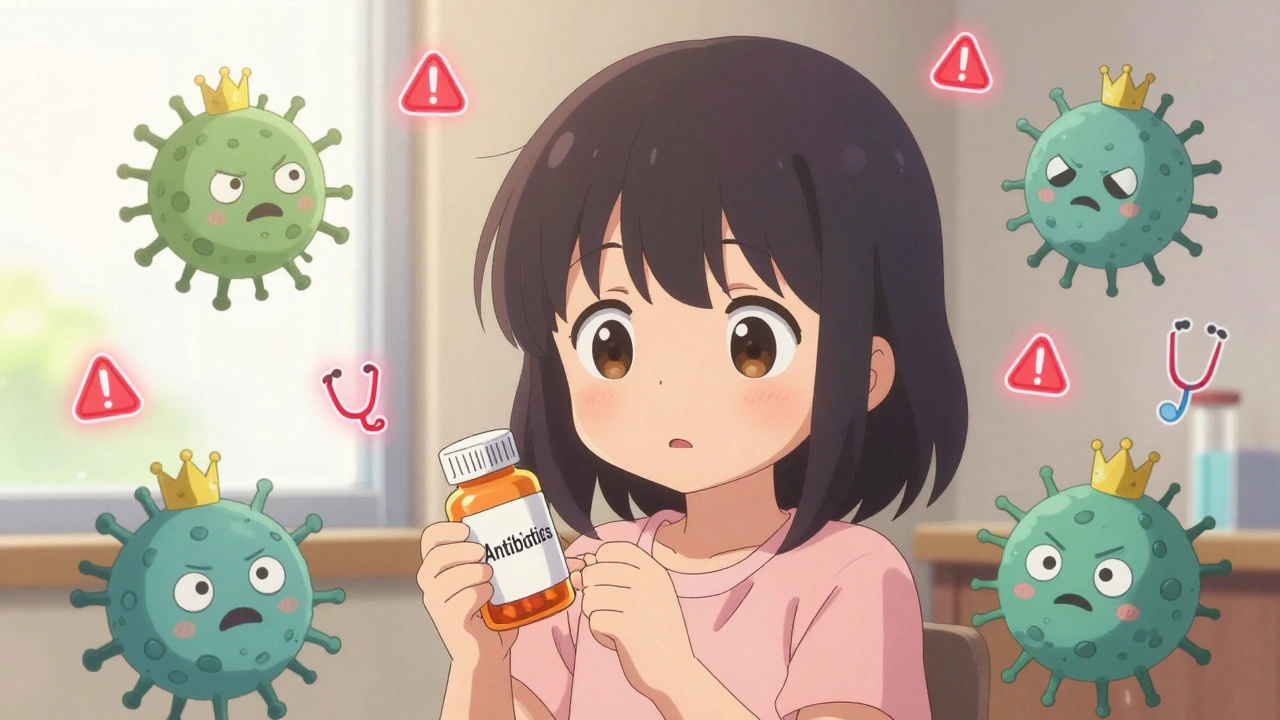
When we talk about superbugs, bacteria that have evolved to survive even the strongest antibiotics. Also known as drug-resistant infections, these microbes are no longer stopped by the drugs we once relied on to kill them. This isn’t science fiction—it’s happening right now in hospitals, homes, and clinics around the world. Every time an antibiotic is used unnecessarily, it gives these bacteria a chance to adapt, mutate, and become untouchable.
Antibiotic resistance isn’t just a problem for doctors. It’s something that affects anyone who’s ever taken a pill for a sore throat, a sinus infection, or a urinary tract infection. Antibiotic misuse, taking antibiotics when they won’t help—like for colds or flu—fuels the rise of superbugs. Even worse, many people stop their antibiotics early because they feel better, leaving behind the toughest bacteria to multiply. These aren’t rare cases. The CDC estimates that more than 2.8 million antibiotic-resistant infections occur in the U.S. each year, and over 35,000 people die from them.
And it’s not just about pills. Superbugs spread through hospitals, farms where animals are given antibiotics daily, and even in the water supply. That’s why tracking how drugs work—or don’t work—after they’re approved matters so much. The antimicrobial resistance, the broader term for when germs resist drugs meant to kill them. It’s the reason the FDA monitors generic drug safety, why pharmacists check prescriptions for controlled substances, and why allergy alerts in pharmacies exist—they’re all part of the same system trying to slow this down.
You won’t find a magic bullet in this fight. But you can help. Don’t pressure your doctor for antibiotics if you have a virus. Finish every course you’re given. Wash your hands. And know that some infections just need time, not pills. The posts below show how real people and real systems are dealing with this crisis—from understanding which antibiotics are still working, to learning how to avoid triggering resistant strains, to recognizing when a side effect isn’t an allergy but a sign of something deeper. This isn’t just about medicine. It’s about survival.