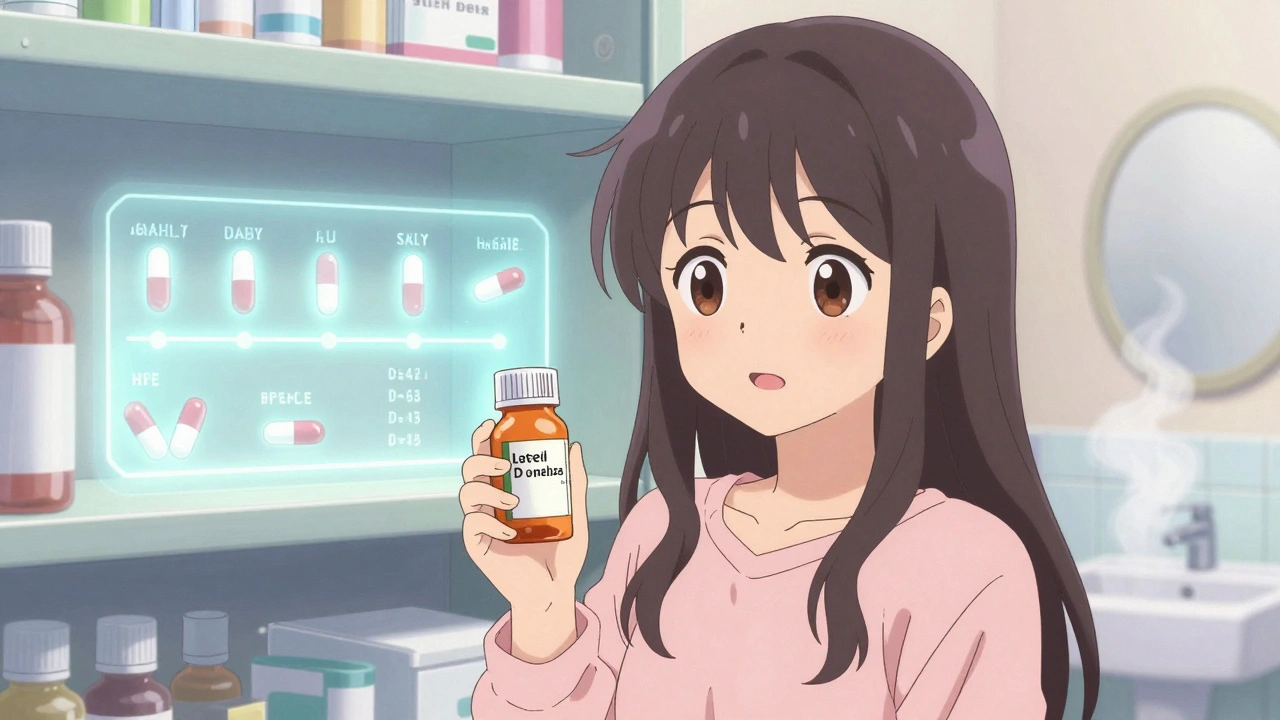
When you buy over-the-counter medications, drugs you can buy without a prescription like pain relievers, antihistamines, or antacids. Also known as OTC drugs, they’re meant to be easy to reach—but that doesn’t mean they should be left out in the open. Many people store them in the bathroom cabinet, on the kitchen counter, or in a drawer near snacks. But heat, moisture, and easy access can turn a harmless pill into a danger—especially for kids.
The storage of OTC drugs, how and where you keep these medicines at home affects how well they work. Heat above 77°F (25°C) can break down active ingredients in pills and liquids. Humidity from the shower turns tablets into mush. Even light can weaken some medications over time. The best place? A cool, dry spot—like a bedroom drawer or a high cabinet away from sinks and stoves. Not the glove box in your car. Not the medicine cabinet above the sink. And definitely not where a toddler can grab it.
Child-resistant caps aren’t foolproof. Kids as young as 18 months can open them in under 30 seconds. That’s why locking up medications matters more than the cap. A locked box, a high shelf, or a cabinet with a child lock reduces accidental poisonings by over 60%. This isn’t just about keeping kids safe—it’s about keeping meds effective. If your ibuprofen has been sitting in a hot bathroom for six months, it might not help your headache.
Some OTC drugs need special attention. Eye drops often expire faster after opening. Liquid antibiotics need refrigeration. Suppositories melt if left in warm rooms. Always check the label. If it says "store below 86°F" or "keep refrigerated," follow it. Don’t guess. And don’t ignore expiration dates. A pill past its date won’t hurt you—but it might not work either.
Also, don’t mix different meds in the same container. A pill bottle labeled "pain relief" might hold aspirin, acetaminophen, and cold tablets. That’s a recipe for overdose. Keep each medicine in its original packaging with the label intact. That way, you know exactly what’s inside, how much to take, and when it expires.
When traveling, keep meds in your carry-on—not checked luggage. Temperatures in cargo holds can drop below freezing or spike over 120°F. That’s worse than your bathroom. And never leave pills in a hot car. Even a 20-minute stop on a sunny day can ruin them.
What you’ll find below are real, practical guides from people who’ve dealt with these issues firsthand. From how to store insulin pens safely to why your grandmother’s medicine cabinet is a hazard, these posts cut through the noise. You’ll learn exactly where to put your painkillers, which OTC drugs lose potency fastest, how to spot a degraded pill, and what to do if a child gets into them. No fluff. Just what works.