
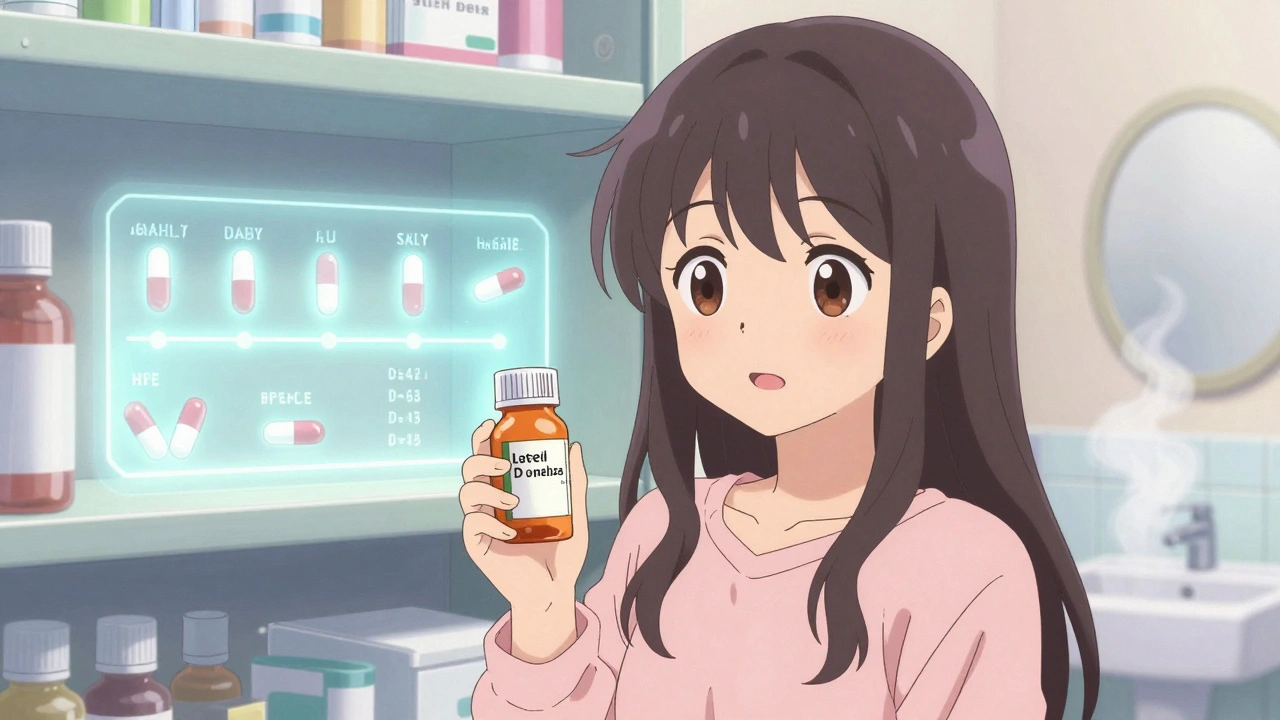
You find an old bottle of ibuprofen in the back of your medicine cabinet. The date says expired - two years ago. Do you toss it? Or take it? Most people panic. Some just swallow it. The truth? It’s not as simple as the label says.
What Expiration Dates Actually Mean
Expiration dates on OTC meds aren’t random. They’re not just a way for drug companies to push you to buy more. These dates are set by manufacturers after strict stability testing required by the FDA. The label guarantees that, up to that date, the medicine will be at least 90% as strong as it was when made, and it’s safe to use. But here’s the twist: that’s the end of the guarantee - not the end of usefulness. The FDA’s own Shelf Life Extension Program tested over 100 drugs, including common OTC pills like acetaminophen and antihistamines. Results? Ninety percent were still effective - sometimes for 10, 15, even 20 years past their expiration date. That’s not a myth. It’s science. The date on the bottle is a legal safety net for manufacturers, not a biological deadline for your medicine.What Makes Some Medicines More Dangerous Than Others
Not all pills are created equal. Solid tablets and capsules - like aspirin, ibuprofen, or diphenhydramine (Benadryl) - are stable. They don’t break down easily. If stored dry and cool, they can hold potency for years beyond the label. Liquids? Not so much. Eye drops, cough syrups, and liquid antibiotics? They’re breeding grounds for bacteria once they pass their expiration date. A 2019 study in Ophthalmology found 67% of expired eye drops were contaminated. That’s not just ineffective - it’s risky. Then there are the high-stakes meds. Nitroglycerin for heart attacks? If it’s expired, it could lose half its strength. In a cardiac emergency, that’s life or death. Insulin? It degrades fast after opening - even before expiration. EpiPens? Studies show they can lose up to half their potency months after the date. If you’re allergic, don’t gamble. Birth control pills are another gray zone. Even a 5% drop in hormone levels can raise pregnancy risk. The data shows a 12.7% failure rate with expired pills versus 0.3% with fresh ones. That’s not a gamble worth taking.Storage Matters More Than You Think
Your bathroom cabinet is the worst place for meds. Heat and moisture destroy them. Humidity from showers, steam from sinks - it all seeps into bottles. The best spot? A cool, dry drawer. Somewhere away from sunlight and steam. Ideal temperature? Between 59°F and 77°F (15°C-25°C). That’s not a luxury - it’s a requirement for keeping pills stable. A 2022 survey found 68% of people store meds in the bathroom. Meanwhile, 92% of pharmacists say that’s a bad idea. If your pills are in the bathroom, you’re not just ignoring the expiration date - you’re speeding up the decay. Packaging matters too. Blister packs keep air out better than loose bottles. If you’ve transferred pills to a pill organizer, you’ve exposed them to air and humidity. That shortens their life.What You Can Probably Still Use
Let’s be practical. If you’re stuck in a remote area, or during an emergency, and the only painkiller you have is two years past its date - here’s what the data says:- Acetaminophen (Tylenol): Retains 85-90% potency for 7-12 years if stored properly.
- Ibuprofen: Stable for 5+ years beyond expiration. No loss of pain relief in tested samples.
- Diphenhydramine (Benadryl): 85%+ potency even after 8-10 years. FDA data confirms this.
- Antacids (Tums, Rolaids): Chemical structure doesn’t change much. Still work fine.
- Topical creams (hydrocortisone, antifungal): If they haven’t changed color, smell, or texture, they’re likely still okay.
What You Should Never Risk
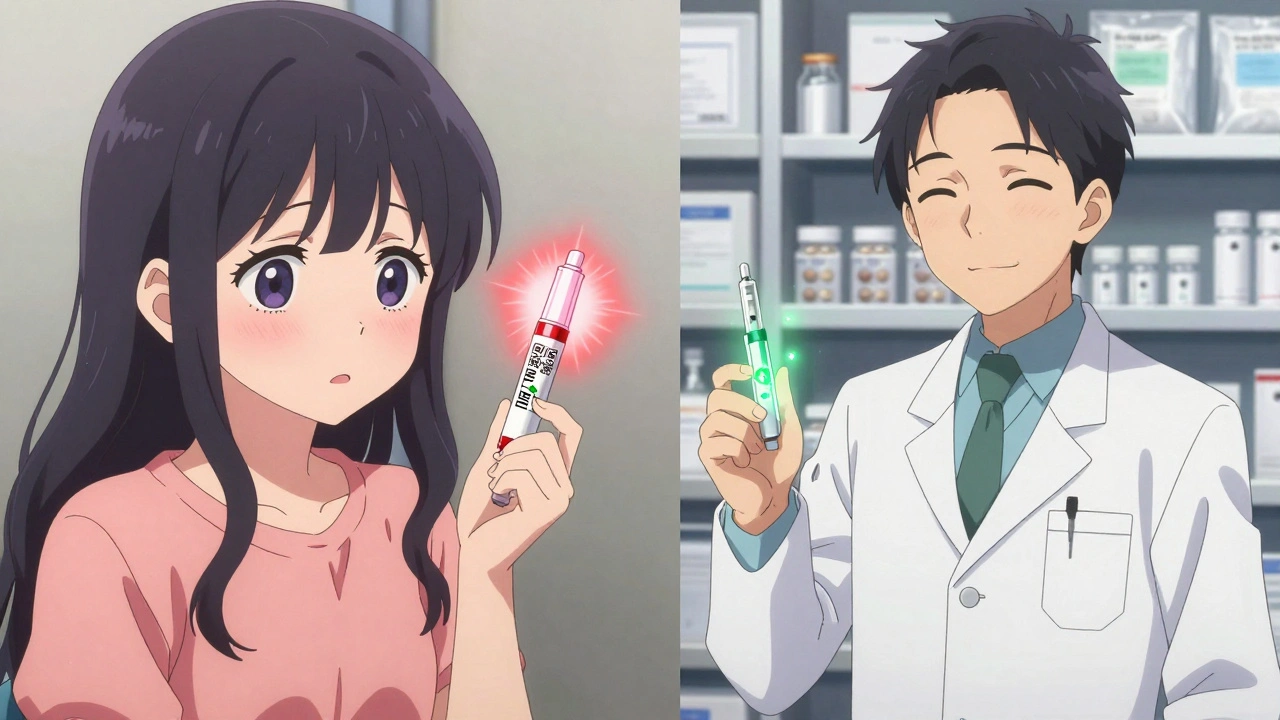
Some meds don’t play nice with time. Even if they look fine, they’re not safe.- Insulin: Loses potency fast. Can cause dangerous blood sugar spikes.
- Nitroglycerin: Used for heart attacks. Expired = ineffective = possible death.
- EpiPens: Your only defense in anaphylaxis. 45% less effectiveness after expiration? That’s not a risk you take.
- Liquid antibiotics: Bacterial growth risk. Can make you sicker.
- Eye drops: Contamination risk. Can cause corneal damage.
- Birth control pills: Even slight potency loss = higher pregnancy risk.
How to Tell If a Pill Is Gone Bad
You don’t need a lab to check. Use your eyes and nose.- Discoloration: White pills turning yellow or brown? Toss them.
- Crumbling: If a tablet falls apart when you touch it, it’s degraded.
- Odd smell: Vinegary, moldy, or chemical odors? Don’t take it.
- Change in texture: Liquids that are cloudy, thick, or have particles? Discard.
What to Do With Expired Meds
Don’t flush them. Don’t throw them in the trash. Don’t let kids or pets get to them. The safest way? Use a drug take-back program. Walgreens, CVS, and many police stations have drop-off kiosks. In 2023, over 9,000 Walgreens locations offered this service. If there’s no drop-off nearby, mix pills with coffee grounds or cat litter, seal them in a bag, and throw them in the trash. This stops someone from digging them out. And yes - if you’re holding onto expired insulin or EpiPens, don’t wait. Get new ones. Your life depends on it.
parth pandya
December 2, 2025 AT 22:51man i just took some ibuprofen from 2018 last week for my back pain-still worked like a charm. i keep em in a drawer, not the bathroom. no idea why people panic over expiration dates like it’s a bomb ticking. the label’s just a legal shield, not a death sentence.
Charles Moore
December 3, 2025 AT 14:14really appreciate this breakdown. too many people either toss perfectly good meds or swallow anything with a date on it. the storage advice alone is gold-bathroom = humidity trap. i’ve started keeping mine in a sealed container with silica packs. small change, big difference. also, kudos for calling out the insulin/epipen risks. those aren’t worth gambling with.
Gavin Boyne
December 5, 2025 AT 07:18so the FDA says ‘don’t use expired meds’… but their own data says 90% of them still work? classic. it’s like telling you not to eat leftovers because the fridge manual says ‘best by’-but the food’s fine. corporations love the fear economy. ‘buy more, throw out more, feel safe.’ meanwhile, the real science? buried under compliance paperwork. someone’s getting rich off your misplaced anxiety.
sagar bhute
December 6, 2025 AT 00:26you’re all delusional. if you’re taking expired pills, you’re a walking liability. what if you have a heart attack and your nitro doesn’t work? who’s responsible then? you? your family? the hospital? the system is broken, sure-but that doesn’t mean you get to be a dumbass about it. people die because of this casual attitude. stop pretending you’re a scientist because you read one article.
shalini vaishnav
December 6, 2025 AT 12:36how can you even consider using expired medication? in india, we have strict drug regulations for a reason. if the label says expired, it’s expired. period. you think western science gives you permission to play russian roulette with your health? this isn’t some garage experiment. these are pharmaceuticals-regulated, tested, and controlled for a reason. your ignorance is dangerous.
Gene Linetsky
December 6, 2025 AT 20:17the FDA knows this is a cover-up. they’re in bed with Big Pharma. why else would they push expiration dates if the drugs last 15+ years? think about it-why do they print dates that are 2-3 years out? because they want you buying every 18 months. the real danger? the government doesn’t want you saving money. they want you dependent. and now they’re pushing QR codes? next thing you know, they’ll charge you a subscription fee to check if your aspirin still works.
Ignacio Pacheco
December 8, 2025 AT 13:08so if i store my ibuprofen in a sealed container in a climate-controlled closet, and it’s 5 years past the date, looks fine, no weird smell, no crumbling-i’m good? or am i still just one step away from becoming a case study?
Jim Schultz
December 10, 2025 AT 05:23^ that’s the exact question the FDA avoids answering. and you know why? because if they say ‘yes, it’s fine’-then people stop buying new bottles. and then the whole expiration industry collapses. so they say ‘never use’-and you pay $12 for a new bottle of Tylenol. genius. meanwhile, your grandma’s 2012 Advil is still kicking. she’s not a scientist-she’s just frugal. and somehow, she’s still alive.