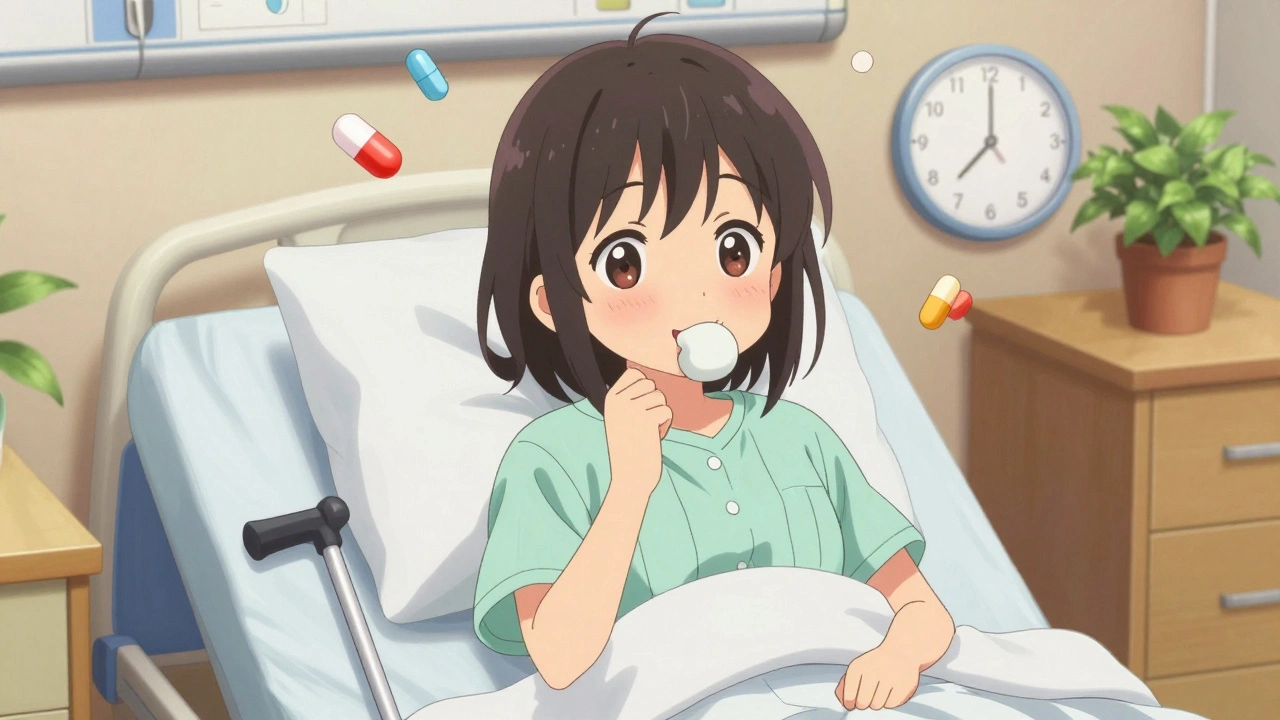
When your gut stops working after surgery, it’s not a glitch—it’s a common condition called postoperative ileus, a temporary lack of movement in the intestines following surgery. Also known as functional bowel obstruction, it’s not caused by a physical blockage, but by your body’s natural response to trauma, anesthesia, and pain meds. Think of it like your digestive system hitting pause after being shaken up. It’s not rare—in fact, up to half of all abdominal surgery patients experience it. And while it usually clears up on its own, it can mean longer hospital stays, more discomfort, and delayed recovery if not managed right.
The biggest trigger? opioids, pain medications like morphine and oxycodone that slow gut movement as a side effect. They’re great for pain, but they also silence your intestines. Other factors include anesthesia, dehydration, lying flat for too long, and even stress on your nervous system. You might notice bloating, nausea, vomiting, or not passing gas or stool for days after surgery. That’s not normal digestion—it’s your gut taking a break. The good news? You’re not powerless. Moving around as soon as you can, chewing gum, avoiding unnecessary opioids, and drinking fluids can help wake your gut up faster. Some hospitals even use specific meds like methylnaltrexone to counteract opioid effects without touching your pain control.
Postoperative ileus doesn’t just affect you in the hospital—it impacts your whole recovery timeline. If your bowels don’t start working, you can’t eat properly, which slows healing. It’s also linked to higher chances of infection and longer stays in the ICU. That’s why doctors now focus on gastrointestinal motility, the natural muscle contractions that move food through your digestive tract as a key recovery metric, not just pain levels or wound healing. The best outcomes come from teams that track bowel function daily and adjust meds and movement early.
What you’ll find in the posts below aren’t just general tips—they’re real, practical insights from pharmacists, surgeons, and patients who’ve been through this. You’ll learn how opioid choices affect recovery, why chewing gum helps more than you think, how certain antibiotics can make it worse, and what to ask your care team if your gut stays quiet too long. No fluff. No theory. Just what works.