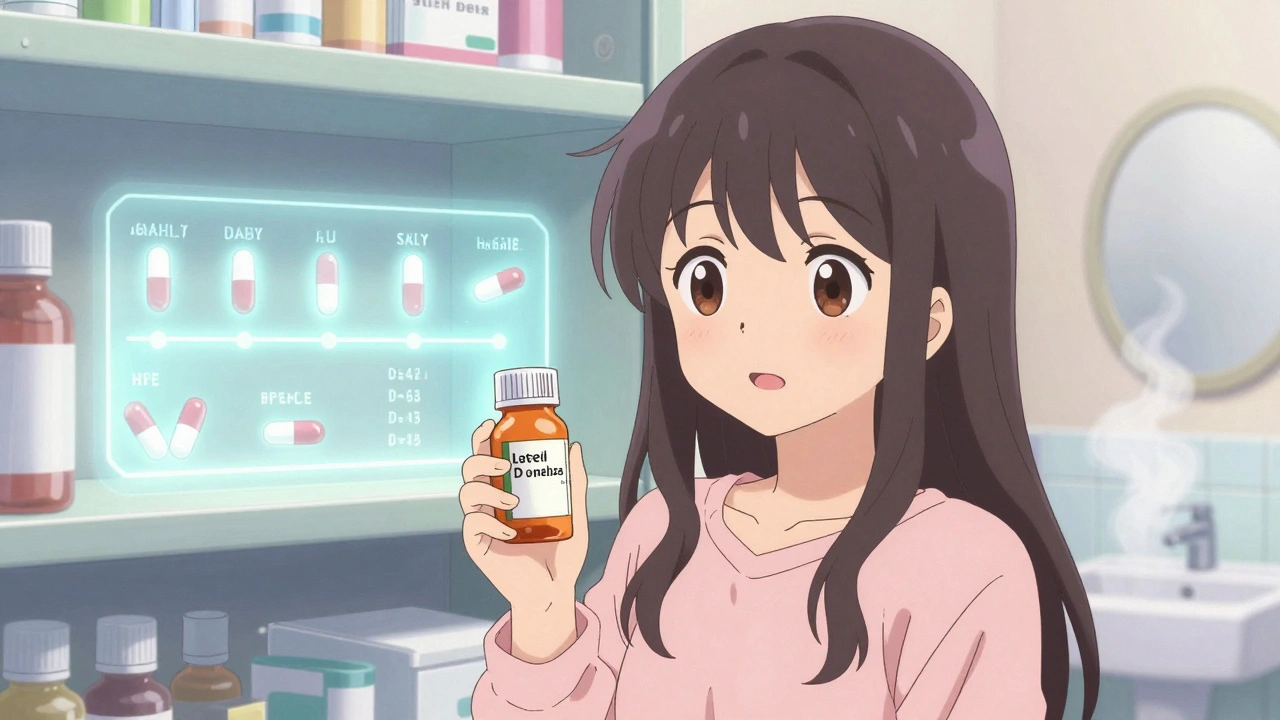
When you find an old bottle of pain relievers in the back of your medicine cabinet, you might wonder: OTC medication expiration, the date printed on over-the-counter drugs that signals when the manufacturer guarantees full potency and safety—is it a hard stop, or just a suggestion? The truth is, most OTC medicines don’t suddenly turn dangerous the day after their expiration date. But that doesn’t mean they’re still doing what they’re supposed to. Many lose effectiveness over time, especially liquids, eye drops, and insulin. And in rare cases, degraded chemicals can become harmful.
Take storage conditions, how and where you keep your medications, which directly impacts how long they stay stable. Heat, humidity, and light break down active ingredients faster. A bathroom cabinet isn’t ideal—steam from showers can ruin pills. A cool, dry drawer is better. Even if your ibuprofen is two years past its date, if it was stored properly and still looks intact—no discoloration, no odd smell—it’s likely still safe. But if it’s crumbly, smells weird, or the liquid is cloudy? Pitch it. You’re not saving money by risking your health.
drug safety, the principle that medications should work as intended without causing harm isn’t just about avoiding side effects. It’s about making sure the dose you’re taking is actually the dose the label says it is. After expiration, the potency of some drugs can drop by 10% to 50%. That means your headache medicine might not work. Your allergy pill might not stop your sneezing. Your antacid might not calm your stomach. And if you’re relying on it during an emergency—like an asthma attack or severe allergic reaction—that drop in potency could be dangerous.
Some medicines, like nitroglycerin for heart conditions or epinephrine auto-injectors, are especially sensitive. These degrade quickly and must be replaced on schedule. Others, like acetaminophen or antihistamines, hold up much longer. The FDA has tested expired drugs stored in ideal conditions and found many still effective years past their date. But those were controlled lab tests—not your messy medicine cabinet. The bottom line? Don’t gamble. If it’s expired and you’re unsure, get a new one. It’s cheap insurance.
You’ll also find that many people confuse expiration dates with the date the bottle was opened. Once you open a bottle of liquid medicine, its clock starts ticking faster. Most liquid antibiotics and cough syrups should be tossed after 14 days, even if the printed date is months away. Eye drops? Throw them out after a month of opening. They’re prone to bacterial growth, and using contaminated drops can lead to serious eye infections.
What about pills in blister packs? They’re more stable than bottles because they’re sealed individually. If the pills look normal and the packaging is intact, they often last longer. But if the foil is cracked or the pills are sticking together, that’s a sign of moisture damage. Don’t risk it.
And here’s something most people don’t realize: expiration dates aren’t about safety alone—they’re about effectiveness. Manufacturers test how long the drug stays within 90–110% of its labeled potency. Once it drops below that, they label it expired. It’s not a magic cutoff. But if you’re treating something serious—like high blood pressure or chronic pain—you need the full dose. And if you’re treating something minor, like a headache, you’re better off with a fresh pill that works fast.
Below, you’ll find real-world guides on how to read labels, spot dangerous changes in your meds, and understand why some drugs are more fragile than others. Whether you’re managing a chronic condition, caring for a child, or just trying to clean out your cabinet, these posts give you the facts—not the myths—about what happens to your medicine over time.