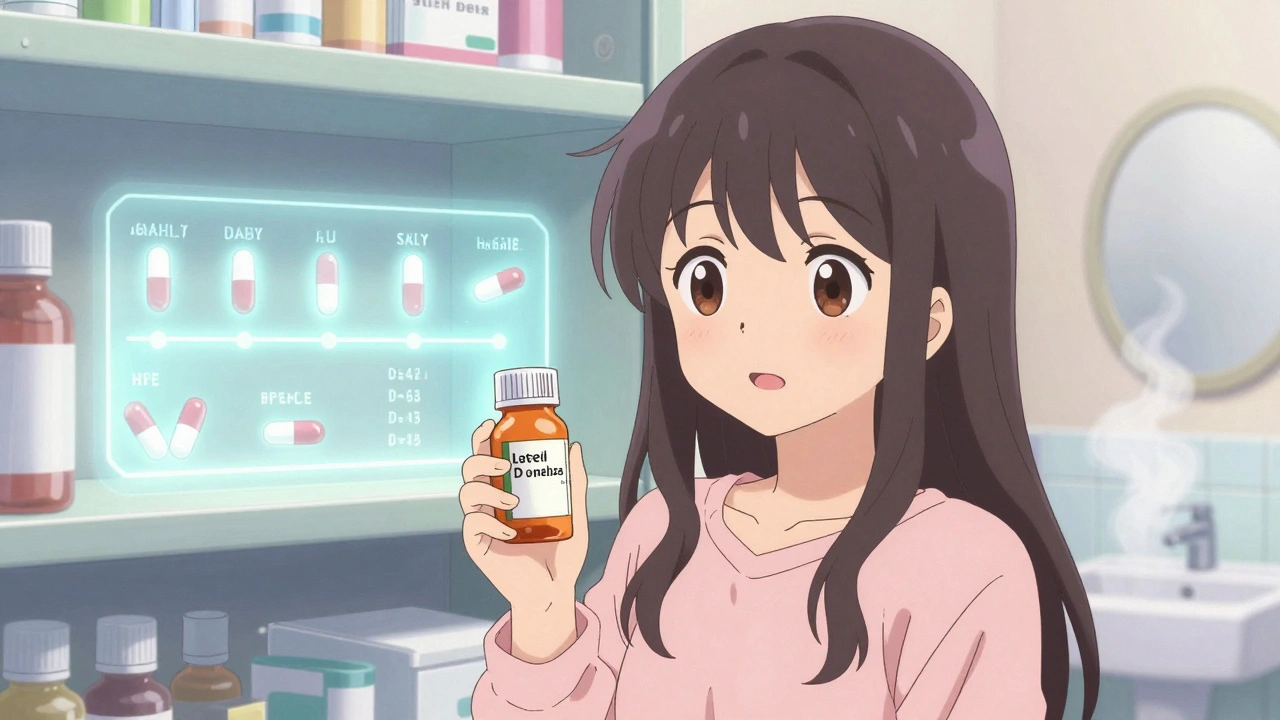
When you see an expiration date on a medicine bottle, it’s not just a marketing trick—it’s a medicine shelf life, the period during which a pharmaceutical product remains safe and effective under recommended storage conditions. Also known as drug expiration dates, this timeline is determined by rigorous testing by manufacturers to ensure potency and safety. Most pills and capsules stay stable for years, but heat, moisture, and light can break them down faster than you think. That bottle of antibiotics you found in the back of the cabinet? It might still look fine, but its strength could have dropped by 30% or more.
Not all medicines degrade the same way. medication storage, the environment where drugs are kept, directly impacts how long they remain effective. A bathroom cabinet is one of the worst places—steam from showers and fluctuating temperatures speed up chemical breakdown. A cool, dry drawer away from windows works better. Liquid antibiotics, insulin, and eye drops are especially sensitive. Even if they haven’t passed their printed date, if they’ve been left in a hot car or a sunny windowsill, they’re no longer reliable.
expired pills, medications past their labeled expiration date, rarely turn toxic—but they often lose effectiveness. Taking an expired asthma inhaler during an attack could mean not getting the full dose. An old antibiotic might not kill all the bacteria, leading to resistance or a worse infection. The FDA and independent studies show most solid drugs retain 90% of their potency for years beyond the printed date—if stored properly. But that’s not a green light to use anything old. If the pill is discolored, cracked, smells weird, or has changed texture, toss it. No exceptions.
What about those pills you’ve had since your last cold? Or the leftover painkillers from surgery? You’re not alone in keeping them. But storing unused medicines creates risk—not just for you, but for kids, pets, or anyone else who might find them. Proper disposal matters as much as proper storage. Many pharmacies take back old meds, and some communities have drop-off days. Don’t flush them unless the label says to.
There’s a big difference between a manufacturer’s expiration date and what’s safe in real life. The date is a guarantee, not a deadline. But without knowing exactly how your meds were stored—through summer heat, damp basements, or uncontrolled shipping—you can’t assume they’re still good. When in doubt, talk to your pharmacist. They’ve seen what happens when people take old drugs. They can tell you what’s risky, what’s probably fine, and what should go straight in the trash.
Below, you’ll find real-world guides on how to read labels, spot dangerous interactions, store meds safely, and understand why some drugs lose power faster than others. Whether you’re managing chronic illness, caring for a child, or just trying to avoid wasting money on useless pills, these posts give you the facts—not the fluff.