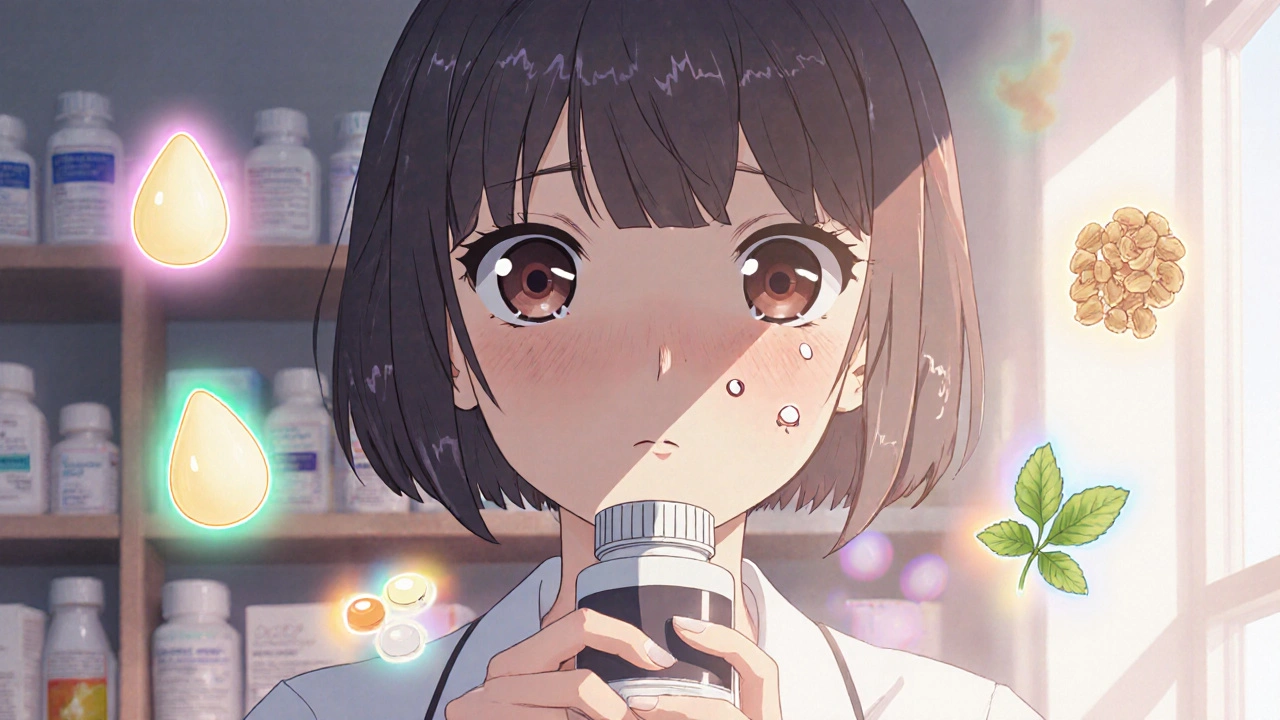
When you swallow a pill, you’re not just taking the drug you need—you’re also swallowing a mix of inactive ingredients, substances added to pills that have no therapeutic effect but help with manufacturing, stability, or absorption. Also known as excipients, these include fillers, dyes, preservatives, and coatings that make the medicine easier to produce, swallow, or store. Most people assume these are harmless, but they’re not just sugar or starch. They can trigger allergies, interfere with how your body absorbs the active drug, or even cause digestive upset in sensitive people.
For example, lactose, a common filler in tablets and capsules, can cause bloating or diarrhea in those who are lactose intolerant—even if they’re taking a perfectly safe medication. dyes like FD&C Red No. 40, used to color pills for branding or identification, have been linked to allergic reactions and hyperactivity in children. Even something as simple as titanium dioxide, a whitening agent found in many pills, is under scrutiny for potential long-term health effects. These aren’t rare cases. They show up in everything from antidepressants to antibiotics to cholesterol meds.
And here’s the thing: you won’t always know what’s in your pills unless you look. Most labels list only the active ingredient. The rest? Buried in fine print as "other ingredients." That’s why people with allergies, celiac disease, or sensitivities to certain chemicals end up with unexpected side effects. It’s not the drug—it’s the filler. Some generic versions swap out one excipient for another, which can change how you feel, even if the active ingredient is identical. That’s why inactive ingredients matter just as much as the medicine itself when you’re trying to avoid reactions or get the most out of your treatment.
What you’ll find in the articles below are real stories and practical guides about how these hidden ingredients affect health. From how calcium in a supplement blocks antibiotic absorption, to why some people react to dyes in SSRIs, to how generic drugs can differ in their fillers—these posts cut through the noise. You’ll learn how to read labels, spot red flags, and ask the right questions before swallowing anything. This isn’t about fear. It’s about control. Your body reacts to everything you take. Knowing what’s really in it is the first step to staying safe and getting better.