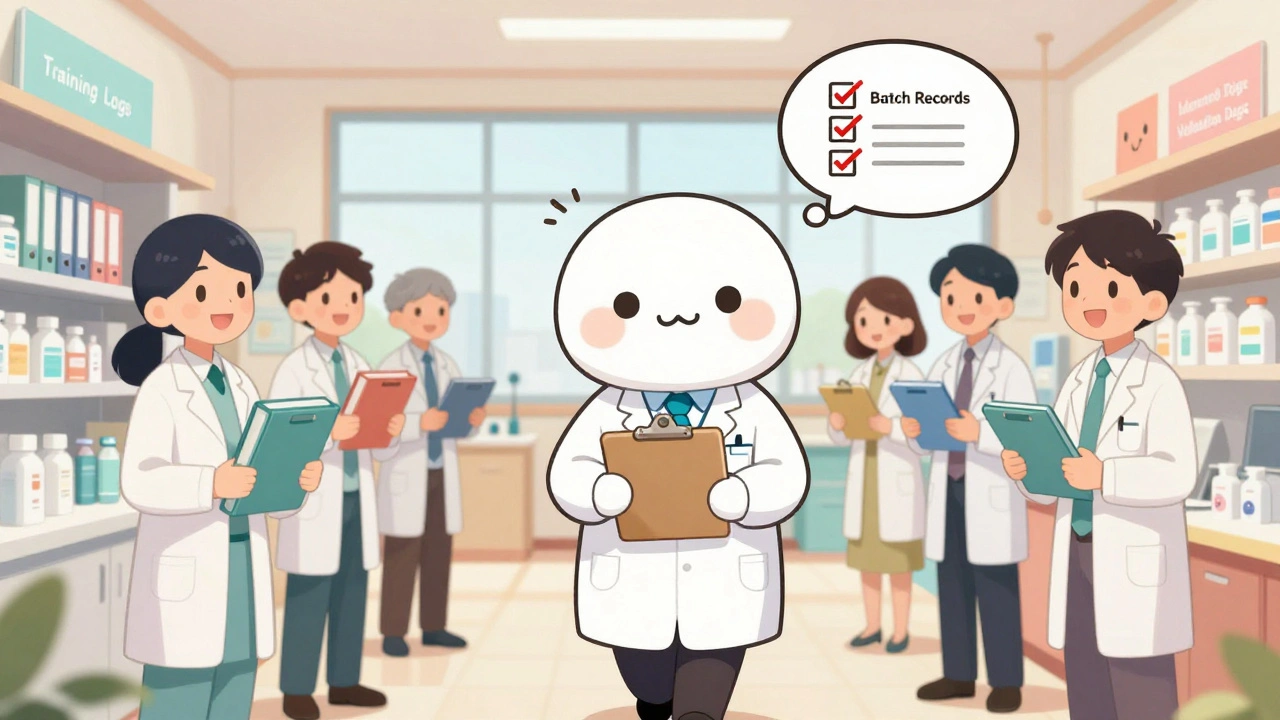
When you pick up a prescription, you expect it to be safe, accurate, and properly made. That’s not luck—it’s the result of facility audits, systematic inspections of pharmacies and drug manufacturing sites to verify compliance with safety, quality, and legal standards. Also known as pharmacy inspections, these audits are the backbone of drug safety in the U.S. and beyond.
These audits don’t just check paperwork. They look at how controlled substances are stored, whether pharmacists verify dosages correctly, and if expired medications are properly discarded. They tie directly into pharmacy accreditation, a formal process that certifies a pharmacy meets nationally recognized safety benchmarks. Without accreditation, an online pharmacy might sell counterfeit pills—or worse, mislabeled ones. The FDA monitoring, the system that tracks drug safety after approval, including manufacturing flaws and adverse events relies on audit data to spot trends. One bad batch of generic immunosuppressants or a pharmacy that skips controlled substance verification, the step-by-step process pharmacists use to confirm prescription quantities and directions to prevent overdose or diversion can put lives at risk.
Facility audits also catch hidden problems—like pharmacies using expired ingredients, failing to store medications at the right temperature, or ignoring allergy alerts for inactive ingredients like lactose. These aren’t minor slips. They’re the kind of errors that lead to recalls, lawsuits, or even deaths. That’s why audits are frequent, unannounced, and detailed. They cover everything from employee training to digital record-keeping. And they’re not just for big pharmacies. Even small clinics and mail-order services get checked.
What you’ll find in this collection are real-world examples of how audits protect you. From how the FDA tracks generic drug quality after approval, to how pharmacists verify DEA numbers and PDMP records to stop opioid misuse, to how expiration dates and storage conditions are monitored—these posts show you the hidden systems keeping your meds safe. You’ll see how audits connect to everything from antibiotic resistance to medication allergies. This isn’t about bureaucracy. It’s about making sure the pill you take doesn’t hurt you.