
What FDA Facility Inspections Really Look Like
The FDA doesn’t wait for problems to happen. Instead, they show up - unannounced or with a few days’ notice - to check if your facility is actually doing what it says it’s doing. These inspections aren’t about catching people off guard. They’re about making sure the medicine, device, or food you’re producing won’t hurt someone. Every year, the FDA inspects about 12,000 U.S. facilities and 1,000 overseas ones. That’s not random. It’s calculated. High-risk sites - like those making life-saving drugs for elderly patients - get visited every 6 to 12 months. Low-risk sites, like some dietary supplement makers, might go 4 or 5 years between visits. The agency uses a risk-based system that weighs product type, past violations, and how complex the manufacturing process is.
The Four Types of FDA Inspections
Not all inspections are the same. There are four main types, each with a different purpose.
- Pre-approval inspections happen before a new drug or device gets approved. The FDA wants to see your production line, your validation records, and your training logs before they sign off. If your facility isn’t ready, your product won’t get approved - no matter how good the science is.
- Routine surveillance inspections are the most common. These are scheduled every 2 to 5 years based on risk. They’re not surprise visits, but they’re not cozy either. You’re expected to be ready at all times.
- Compliance follow-up inspections come after you’ve been cited for problems. The FDA returns to see if you fixed what they flagged. If you didn’t, you could get a warning letter, a product recall, or even a shutdown.
- For-cause inspections are triggered by something specific: a spike in patient complaints, a whistleblower tip, or a pattern of adverse events. These can happen with zero notice. One facility in Ohio got visited two days after a customer reported a faulty insulin pump. They weren’t ready. The FDA issued a warning letter within 10 days.
What Happens During an Inspection
When the FDA inspector walks in, they hand you FDA Form 482 - the official Notice of Inspection. That’s not a suggestion. It’s the law. You must have a designated representative with them at all times. No hiding behind security guards or front desk staff.
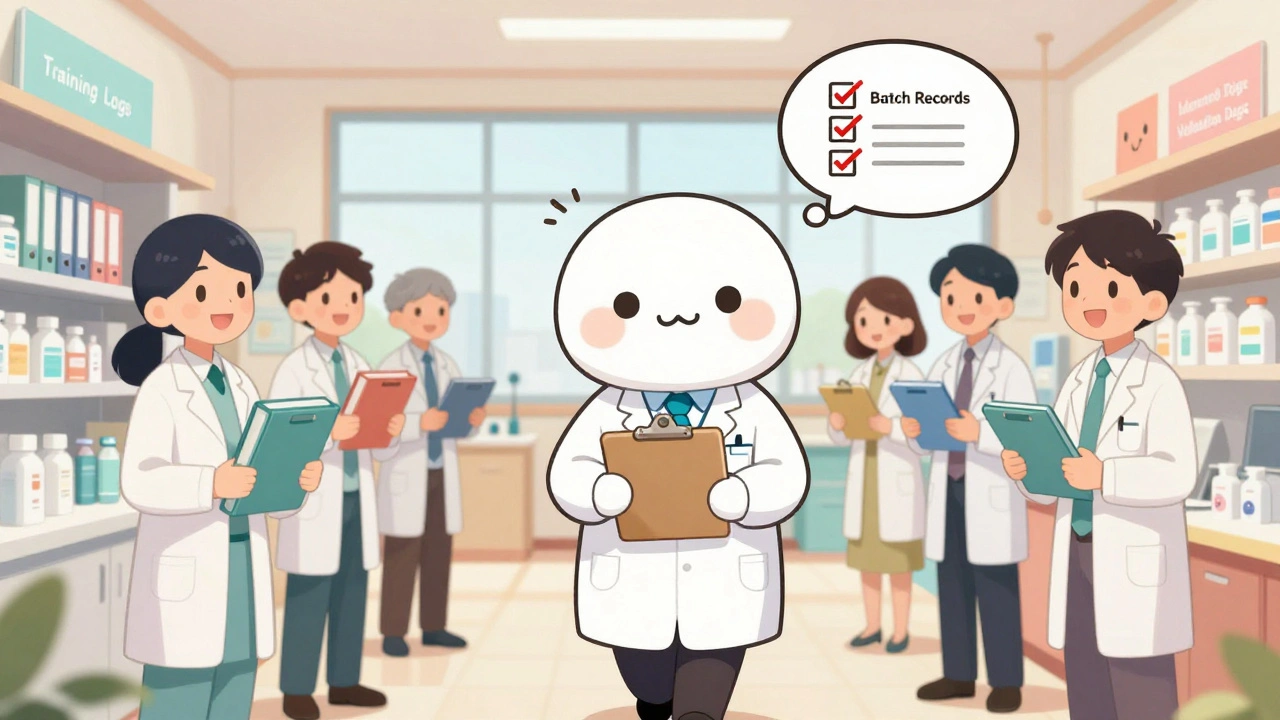
The inspector will tour your facility. They’ll watch how your staff handle materials. They’ll open your computers. They’ll ask for deviation reports, training records, equipment validation logs, and batch production records. They might even take samples. And they’ll ask questions - the same question, to different people. If your team gives conflicting answers, that’s a red flag.
One common mistake? Trying to hide incomplete documentation. Inspectors know what’s supposed to be there. If your change control log is missing entries from last quarter, they’ll find it. And they’ll write it down - on FDA Form 483.
FDA Form 483: What It Means and What to Do
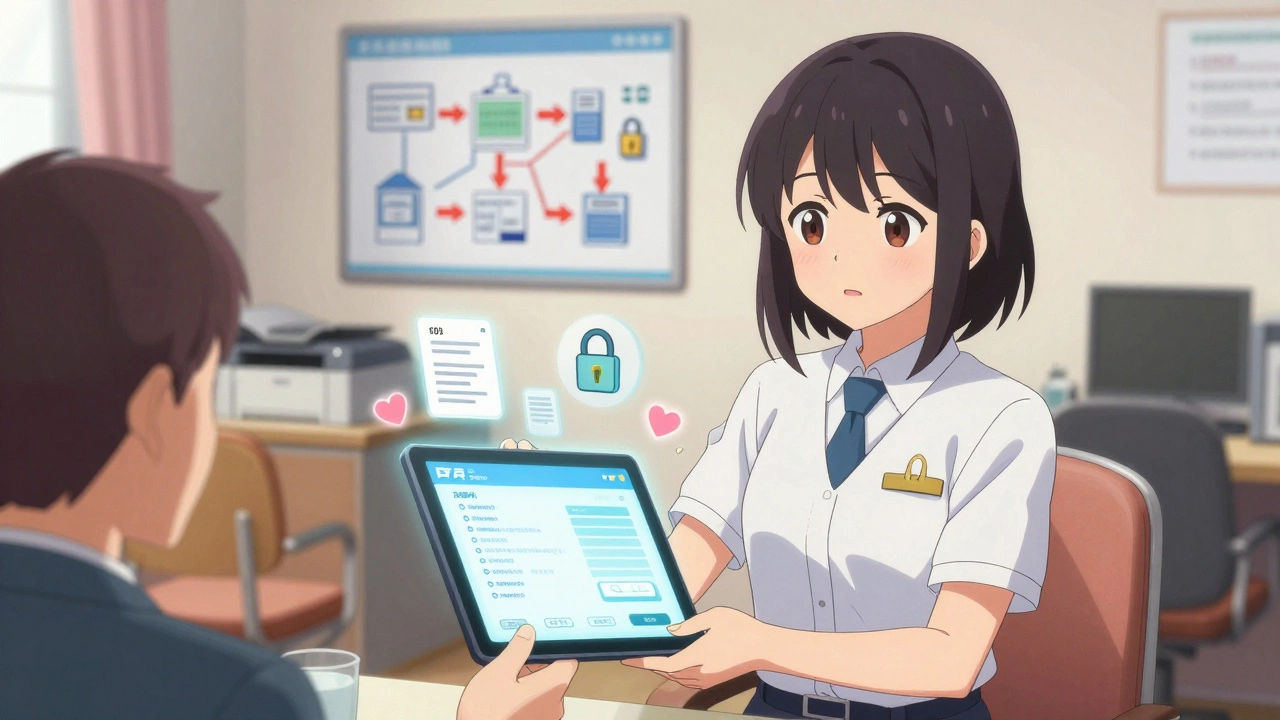
FDA Form 483 lists the problems the inspector found. It’s not a fine. It’s not a shutdown order. But it’s serious. It’s your official notice: “You’re not in compliance.” You have 15 working days to respond with a corrective action plan.
Most Form 483s come down to four things:
- 78% of observations are tied to documentation gaps
- 32% are because deviation investigations were incomplete
- 24% are missing training records
- 15% are poor validation documentation
- 7% are broken change control systems
And here’s the kicker: 45% of all observations now relate to data integrity. That means electronic records that were altered, deleted, or not properly backed up. The FDA is watching your computer systems harder than ever. If you’re still using paper logs or shared drives without access controls, you’re at risk.
How to Get Ready - And Stay Ready
You don’t wait until the inspection letter arrives to prepare. You prepare every day.
Facilities with formal inspection readiness programs reduce observations by 63%. How? They do three things:
- Run mock inspections every quarter. Bring in an outside auditor. Let them ask hard questions. Don’t let your team practice their answers - make them think on their feet.
- Designate one inspection coordinator. Not three. Not five. One person who knows where every document is, who’s trained on what, and who can pull records in under 5 minutes. Companies that do this report inspections go 22% faster.
- Keep your facility diagram updated. If you moved a machine last month and didn’t update the floor plan, inspectors will notice. And they’ll wonder what else you’re hiding.
Also, create a dedicated inspection room. Not a closet. A real room with printers, computers, phones, and a secure document server. During a 2023 inspection at a Michigan-based device maker, the team had documents ready in 90 seconds because they’d built this space. The inspector later said it was the most organized facility he’d seen in six months.
The Hidden Rules No One Talks About
There are unwritten rules that make or break inspections.
First: Never guess. If you don’t know the answer, say so. Then find out. Lying or making up answers is the fastest way to get a warning letter.
Second: Don’t over-explain. Answer the question. Don’t give a lecture. Inspectors are trained to listen for gaps. The more you talk, the more chances you have to slip up.
Third: Keep records for at least two years after a product is discontinued. In 2023, 87% of Form 483s cited expired records. That’s not a technical failure. It’s a paperwork failure.
And fourth: All staff who interact with inspectors need 8 hours of training a year. Principal investigators need 16. Only 63% of clinical sites meet that. If your team hasn’t been trained this year, you’re already behind.
What’s Changing in 2025 and Beyond
The FDA isn’t slowing down. They’re speeding up - and going digital.
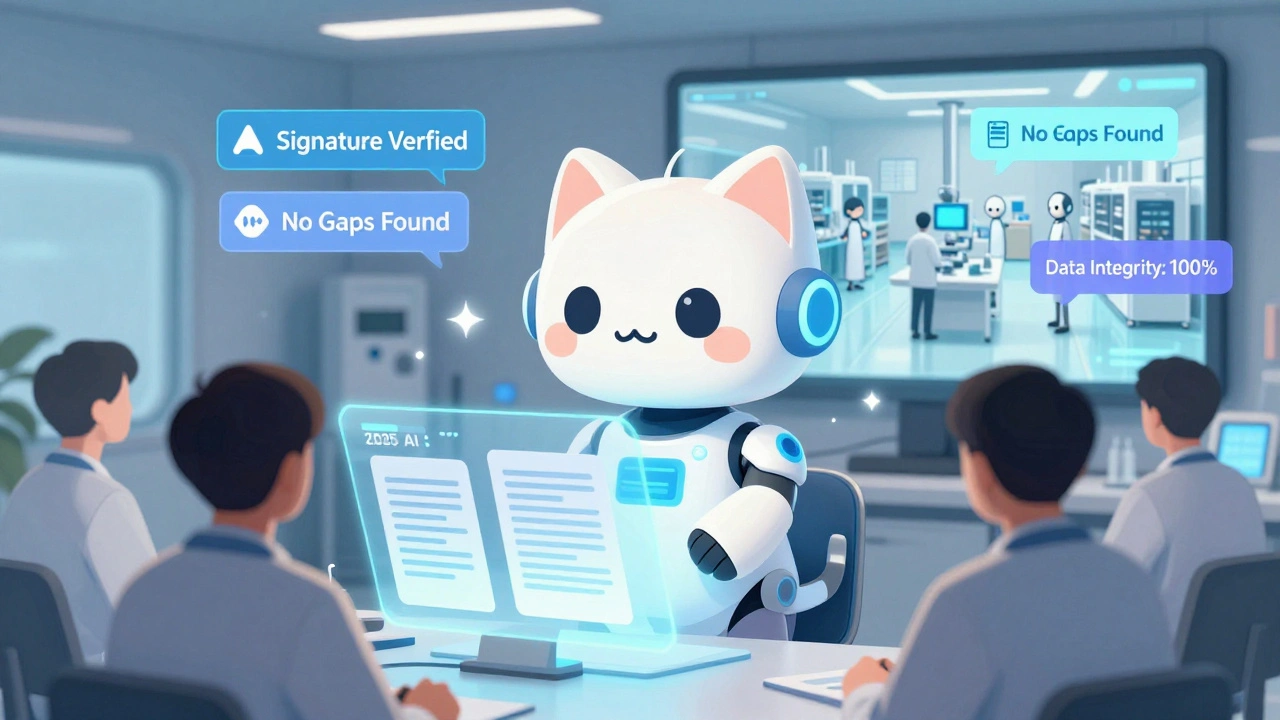
By late 2025, they’ll start using AI to review documents before inspectors even step foot in your facility. Pilot programs are already testing this with 12 sites. The AI looks for missing signatures, inconsistent dates, and data anomalies in electronic records. If it flags something, the inspector will ask for it - and you better have it ready.
Remote inspections are also growing. In 2023, the FDA did virtual tours and document reviews at 147 facilities. For 78% of documentation checks, they found the same issues as in-person visits. That means your digital records better be flawless.
Inspection frequency is shifting too. High-risk facilities - especially those making products for aging populations - will see inspections increase by 18% through 2026. Low-risk dietary supplement makers? That number is dropping. The FDA is focusing resources where the risk is highest.
In 2023, the FDA issued 1,842 warning letters. Medical device makers got 42% of them. Pharma got 38%. That’s not a coincidence. It’s a signal.
Bottom Line: Quality Isn’t an Event - It’s a Habit
FDA inspections aren’t about passing a test. They’re about proving you’ve built quality into your daily operations. If you’re waiting for an inspection to clean up your records, you’re already too late.
The best facilities don’t panic when the inspector arrives. They nod, hand over the documents, and say, “We’ve been expecting you.” Because they’ve been ready - every day.
Erik van Hees
December 2, 2025 AT 22:42Cristy Magdalena
December 2, 2025 AT 23:53Jessica Ainscough
December 3, 2025 AT 10:02May .
December 5, 2025 AT 00:52Sara Larson
December 5, 2025 AT 04:42Josh Bilskemper
December 5, 2025 AT 05:44Storz Vonderheide
December 7, 2025 AT 04:33dan koz
December 7, 2025 AT 05:06Kevin Estrada
December 8, 2025 AT 05:19Katey Korzenietz
December 9, 2025 AT 23:30Ethan McIvor
December 10, 2025 AT 12:18Mindy Bilotta
December 10, 2025 AT 22:57Michael Bene
December 11, 2025 AT 10:02Brian Perry
December 12, 2025 AT 12:14