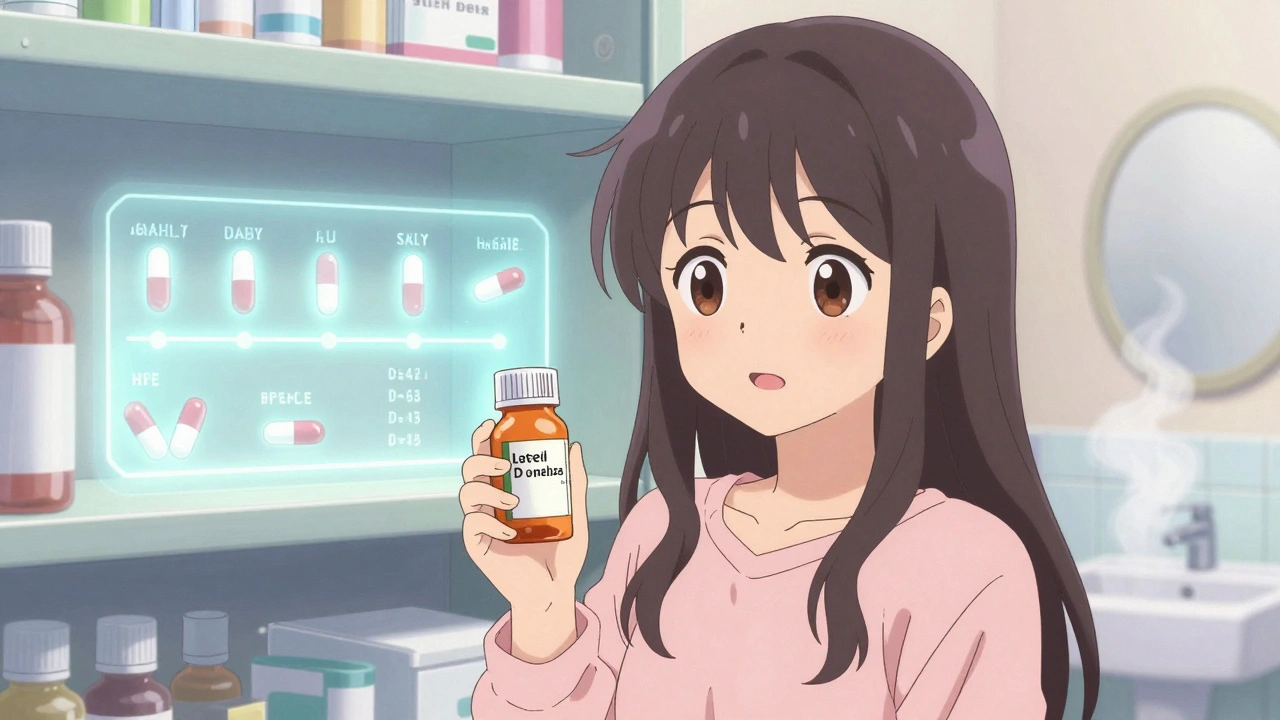
When you find an old bottle of acetaminophen, a common over-the-counter pain reliever and fever reducer also known as paracetamol. Also known as paracetamol, it's one of the most widely used medications in homes worldwide. That’s normal. But what if the expiration date passed six months ago? Or two years? Many people assume expired acetaminophen turns toxic—like milk left out too long. That’s not true. The real issue isn’t safety, it’s effectiveness.
The FDA and manufacturers set expiration dates based on stability testing. That means the drug is guaranteed to work at full strength up to that date. After that? It doesn’t suddenly become poison. Studies, including one by the FDA’s Shelf Life Extension Program, show most solid medications like acetaminophen retain 90% or more of their potency for years past the printed date—if stored properly. But "properly" matters. Heat, moisture, and light break down the chemical structure. If your bottle sat in a bathroom cabinet above the sink, or in a hot car, it’s likely lost more potency than one kept in a cool, dry drawer.
That’s where drug potency, the strength and effectiveness of a medication over time becomes critical. If your acetaminophen is 20% weaker, it won’t control your headache the way it should. You might take more pills, thinking it’s not working, and accidentally overdose later when you get a fresh bottle. And that’s dangerous. Acetaminophen overdose is the leading cause of acute liver failure in the U.S. You don’t want to risk it by guessing.
Then there’s medication storage, how and where you keep drugs to preserve their integrity. A sealed bottle in a bedroom drawer? Fine. A pill organizer left in direct sunlight? Not so much. Even if the tablet looks fine, the active ingredient can degrade. You won’t see it. You won’t smell it. But your body will notice when the pain doesn’t go away.
So what should you do? If the expiration date is a few months past and the pills look normal—no discoloration, crumbling, or strange odor—and you kept them cool and dry, taking one or two won’t hurt. But don’t rely on it for serious pain or fever. If the date is more than a year past, or the pills look off, toss them. Many pharmacies and local health departments offer take-back programs. Don’t flush them or throw them in the trash where kids or pets might find them.
And don’t confuse this with other drugs. Antibiotics, insulin, or liquid medications? Those degrade faster and can become unsafe. But acetaminophen? It’s one of the most stable. Still, you’re not saving money by keeping it past its prime. You’re risking ineffective treatment—and that’s worse than paying for a new bottle.
Below, you’ll find real-world advice from pharmacists, doctors, and patients on handling expired meds, recognizing signs of degradation, and making smarter choices about what to keep and what to toss. Whether you’re managing chronic pain, treating a fever in your kid, or just cleaning out your medicine cabinet, these posts give you the facts—not the fear.