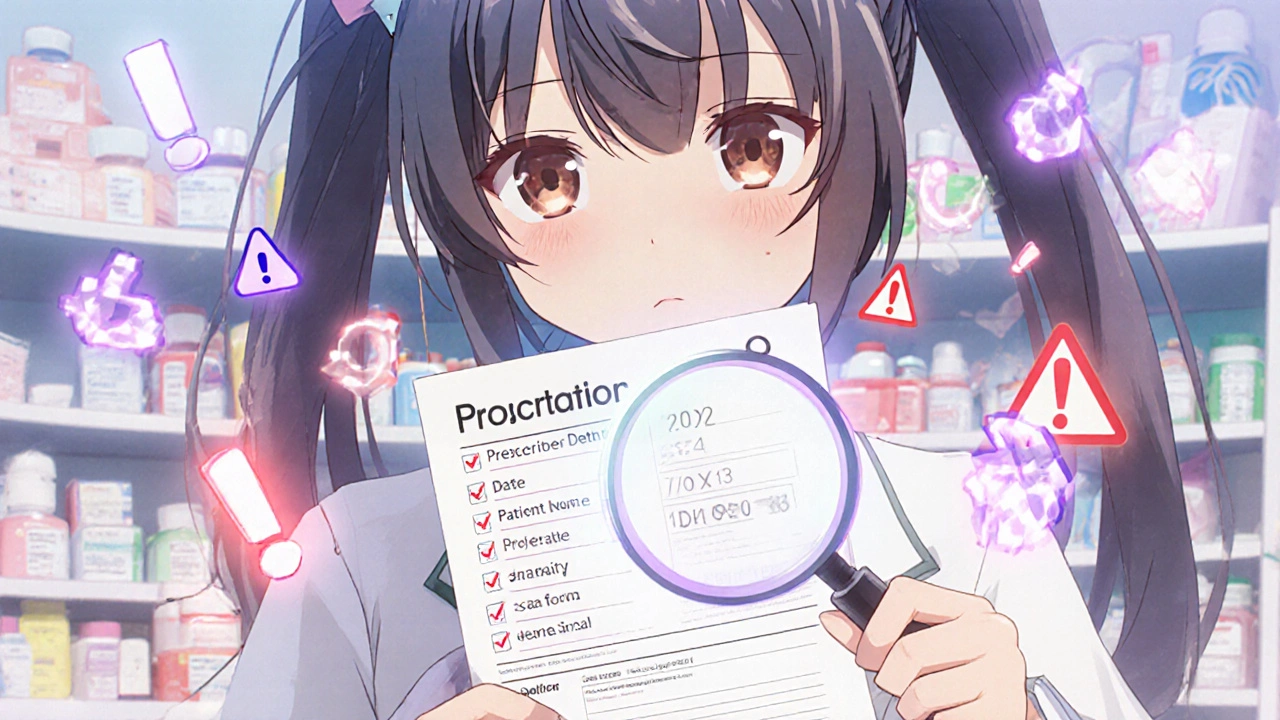
When you see a DEA number, a unique identifier assigned by the U.S. Drug Enforcement Administration to licensed prescribers of controlled substances. Also known as DEA registration number, it’s the digital fingerprint of a doctor’s authority to write prescriptions for opioids, stimulants, sedatives, and other tightly controlled drugs. Without a valid DEA number, that prescription isn’t legally enforceable—and it might be fake.
Pharmacies check DEA numbers every day, not just as a formality but as a safety step. A bad DEA number can mean a forged script, a stolen identity, or a rogue prescriber. The number itself follows a strict format: two letters, six digits, and one check digit. The first letter tells you the type of prescriber—A for mid-level providers like nurse practitioners, B for hospitals, M for methadone clinics. The second letter is the prescriber’s last name initial. The last digit? It’s mathematically calculated from the others. If it doesn’t add up, the whole number is invalid. You don’t need to do the math yourself—pharmacy software does it instantly. But knowing how it works helps you ask smarter questions.
DEA number validation ties into bigger issues like prescription fraud, the illegal obtaining or altering of controlled substance prescriptions, and pharmacy compliance, the legal and ethical standards pharmacies must follow to avoid fines or license loss. If a DEA number doesn’t validate, the pharmacy has to refuse the fill—and sometimes report it. That’s why you’ll hear pharmacists ask for ID, call the prescriber’s office, or delay your script. It’s not bureaucracy. It’s protection.
You might wonder why this matters to you. If you’re on a long-term pain medication, a stimulant for ADHD, or even a sleep aid, you’re relying on a system that’s designed to keep these drugs out of the wrong hands. A fake DEA number could mean someone else’s script lands in your bottle. Or worse, someone’s prescription gets filled by a scammer who sells the pills on the street. DEA number validation is the quiet guardrail that stops that from happening.
And it’s not just U.S. pharmacies that care. Even international clinics and online pharmacies that ship to the U.S. must verify DEA numbers if they’re handling controlled substances. That’s why some websites won’t fill your opioid script unless you provide a valid DEA number and proof of a U.S. prescriber. It’s not a barrier—it’s a filter.
Behind every DEA number is a real person with a license, a practice, and responsibility. When that number checks out, you know the prescription came from a legitimate source. When it doesn’t, you know something’s wrong. That’s the power of a simple string of letters and numbers. And in a world full of counterfeit pills and online scams, that’s worth knowing.
Below, you’ll find real-world guides on how to spot suspicious prescriptions, understand why some meds trigger pharmacy alerts, and what to do when your script gets flagged—not because you did anything wrong, but because the system is working exactly as it should.