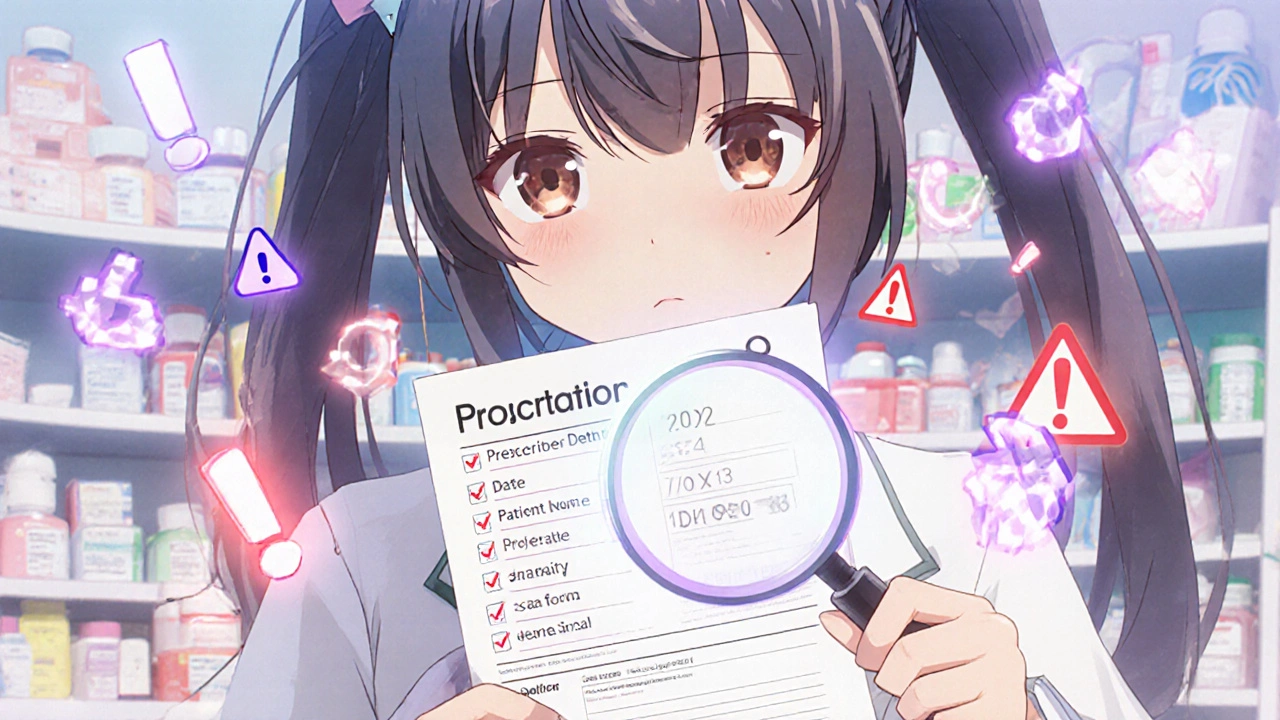
When you hear controlled substance verification, the process of confirming that a drug is legally classified and dispensed under federal regulations. Also known as drug scheduling compliance, it’s the system that keeps dangerous medications from falling into the wrong hands while ensuring patients who need them can get them safely. This isn’t just paperwork—it’s a lifeline. Every pill labeled as a controlled substance has been tracked from manufacturer to pharmacy because the law demands it. The FDA and DEA don’t just approve these drugs—they monitor how they’re used, stored, and prescribed to prevent abuse, diversion, and overdose.
Not all prescription drugs are controlled. Things like insulin, blood pressure meds, or asthma inhalers aren’t on the list. But opioids, sedatives, stimulants, and certain anti-anxiety drugs are. Why? Because they carry real risks: addiction, overdose, or misuse. Drug scheduling, the classification system that groups controlled substances into five categories based on medical use and abuse potential tells you how strict the rules are. Schedule II drugs like oxycodone or Adderall have high abuse risk but accepted medical uses—so prescriptions are tightly controlled. Schedule III or IV drugs like Xanax or ketamine have lower risk but still need oversight. Schedule V? Those are mild, like cough syrups with codeine, and often sold with fewer restrictions.
Prescription drug safety, the set of practices that ensure controlled substances are used correctly and only by the person they’re prescribed to involves more than just a doctor’s signature. Pharmacies verify identities, check state prescription databases, and sometimes call doctors to confirm. You might get asked for ID every time you pick up a refill. That’s not inconvenience—it’s protection. It stops someone from filling multiple prescriptions across different clinics. It stops expired or forged scripts from being used. And it helps catch early signs of misuse before it turns into addiction.
And it’s not just about the patient. Doctors have to follow strict rules too. They can’t just write a script for any drug they want. They need special licenses, keep detailed records, and report suspicious patterns. Pharmacies are audited. Manufacturers are inspected. All of this ties back to controlled substances list, the official catalog of drugs regulated under the Controlled Substances Act. This list changes. New drugs get added. Old ones get reclassified. What was once easy to get might now require a special form. What was once banned might now be available under tight controls.
So when you’re told your medication is controlled, don’t see it as a hassle. See it as a shield. It’s why your painkiller isn’t being sold on the street next door. It’s why your child’s ADHD med isn’t showing up in a classmate’s backpack. It’s why hospitals don’t run out of essential drugs because someone hoarded them. The system isn’t perfect—but it’s the best we’ve got. And understanding how it works means you can use your meds safely, ask the right questions, and avoid dangerous mistakes.
Below, you’ll find real-world guides on how these rules affect everyday care—from checking expiration dates on OTC pills to spotting fake allergy alerts, understanding how generics are monitored, and knowing when a medication might be unsafe because of how it’s stored or combined with others. These aren’t abstract policies. They’re the quiet rules that keep millions of people safe every day.