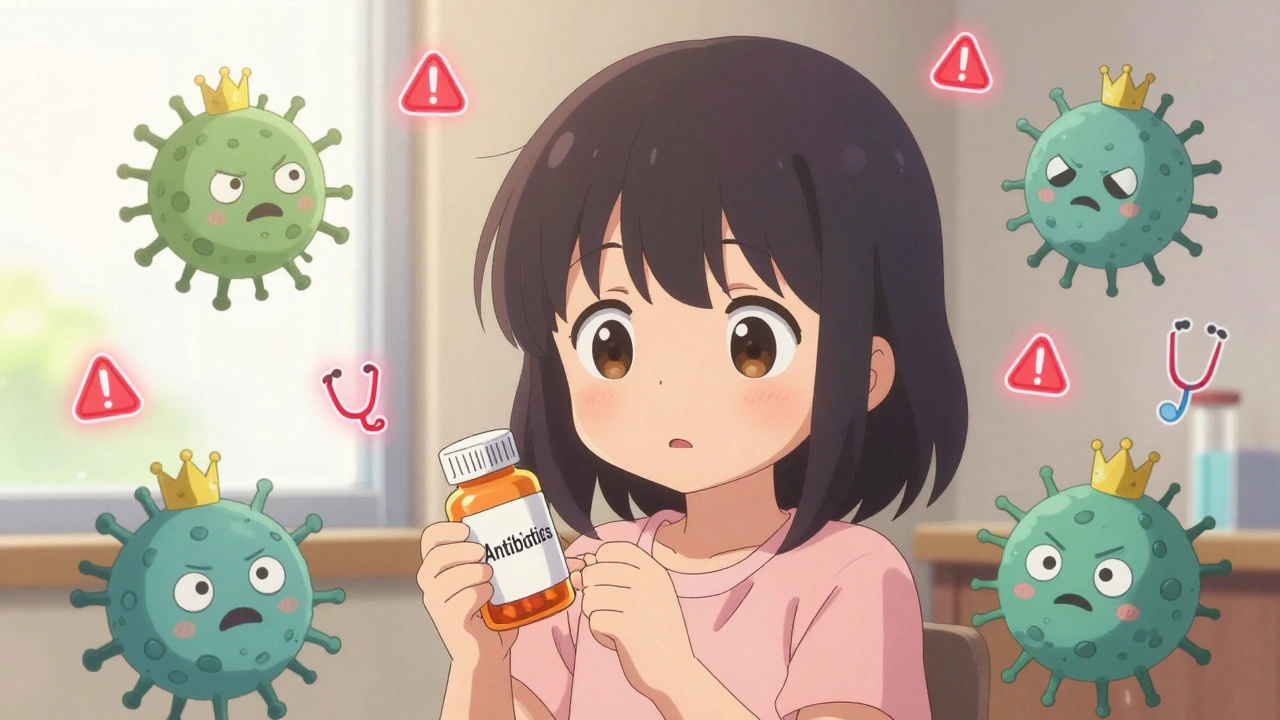
When we talk about antimicrobial resistance, the ability of bacteria, viruses, fungi, or parasites to resist the effects of drugs designed to kill them. Also known as drug resistance, it’s not science fiction—it’s happening right now in hospitals, farms, and homes around the world. Antibiotics that once cured simple infections like strep throat or urinary tract infections are losing their power. A simple cut can turn dangerous. A routine surgery becomes risky. And we’re running out of options fast.
This isn’t just about antibiotics, drugs used to treat bacterial infections. It’s also about antifungals, antivirals, and antiparasitics. When these drugs stop working, we’re left with fewer choices—and often, more toxic ones. The superbugs, microorganisms that resist multiple drugs. Also known as multidrug-resistant organisms, they’re already killing over a million people each year globally. And that number is rising. Why? Because we’ve overused and misused these drugs for decades. Taking antibiotics for a cold. Not finishing a full course. Using them in livestock to make animals grow faster. Every time a drug is used unnecessarily, it gives resistant strains a chance to survive and spread.
What’s surprising is how many of the medications we rely on today are already affected. Antibiotics like ciprofloxacin and amoxicillin, once go-to treatments, are now less effective for common infections. Even drugs used in transplant patients or for chronic conditions are at risk because resistant infections can complicate recovery. And when one drug fails, doctors have to turn to stronger, more expensive, or more dangerous alternatives—some with serious side effects like nerve damage or kidney stress.
But it’s not all bad news. The growing awareness around antimicrobial resistance is pushing real change. More doctors are avoiding antibiotics unless absolutely needed. Pharmacists are double-checking prescriptions. Researchers are developing new treatments and alternatives. And patients are learning to ask: Do I really need this drug? The posts below dive into exactly these issues—how to spot when an antibiotic is unnecessary, how to avoid contributing to resistance, and what safer options exist for common conditions. You’ll find practical advice on when to push back, when to wait, and how to protect yourself and your family from the growing threat of untreatable infections.