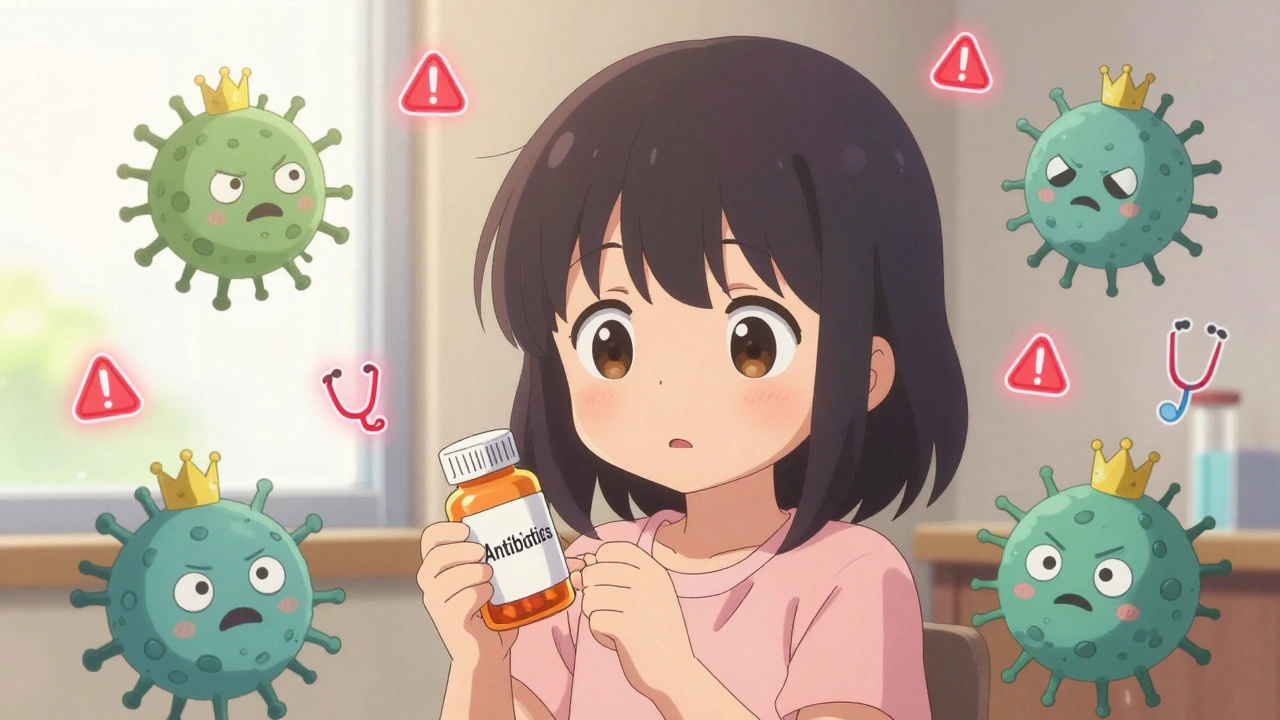
When antibiotic resistance, the ability of bacteria to survive and multiply despite antibiotic treatment. Also known as antimicrobial resistance, it’s no longer a future threat—it’s here, and it’s making simple infections like urinary tract infections, pneumonia, and even skin wounds harder to treat. Every time you take an antibiotic when you don’t need it, or don’t finish the full course, you’re helping bacteria learn how to fight back. These aren’t magic bullets—they’re tools. And like any tool, misuse turns them into useless junk.
It’s not just about taking pills wrong. superbugs, bacteria that resist multiple antibiotics are showing up in hospitals, farms, and even your local grocery store. The same antibiotics used to treat your child’s ear infection are often fed to chickens and cows to make them grow faster. Those bacteria don’t die—they evolve. Then they pass those resistance genes to other bacteria, including ones that cause human illness. And when a doctor prescribes ciprofloxacin, a powerful antibiotic often used for urinary and respiratory infections for a cold (which is viral, not bacterial), that’s not helping—it’s fueling the problem.
What’s scary is how fast this spreads. A simple cut can turn deadly if the bacteria inside it won’t respond to any drug. We’ve seen patients with kidney infections who’ve tried six different antibiotics and still got worse. That’s not rare anymore. And it’s not just about hospitals. It’s about your next sore throat, your next sinus infection, your next surgery. If antibiotics stop working, even routine procedures like hip replacements or chemotherapy become life-risking.
The good news? You’re not powerless. Knowing when antibiotics are needed—and when they’re not—is the first step. So is finishing the full course when they are prescribed. It’s not about being perfect. It’s about being smarter than the bacteria. The posts below show real examples: how pharmacies catch dangerous drug interactions, why some generic antibiotics work just as well as brand names, and how to avoid unnecessary prescriptions that feed this crisis. You’ll also find what to do if you’re told you’re allergic to an antibiotic when you’re really not. This isn’t theoretical. It’s personal. And it’s happening right now.