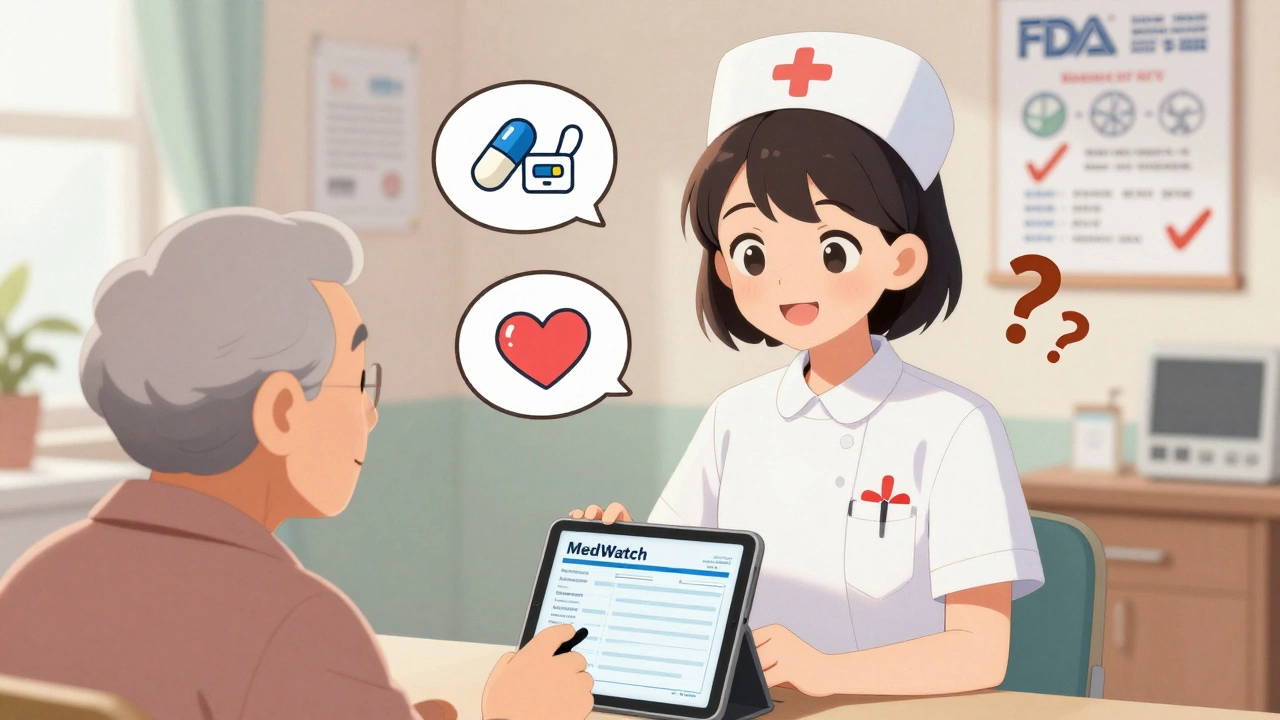
When a medicine causes harm instead of helping, that’s an adverse event reporting, the system used to track harmful reactions to medications after they’re approved and sold to the public. Also known as pharmacovigilance, it’s not just paperwork—it’s the last line of defense between a drug and a public health crisis. Every year, thousands of people react badly to medicines that seemed safe in clinical trials. Those trials involve a few thousand people over months. Real-world use involves millions over years. That’s where adverse event reporting kicks in.
Doctors, pharmacists, and patients all play a role. If someone gets a rare rash after taking a new antibiotic, or develops liver damage from a common painkiller, that story gets reported. These reports go into national databases like the FDA’s FAERS or the EU’s EudraVigilance. The system doesn’t prove a drug caused the problem—it flags patterns. One report? Maybe coincidence. Ten reports of the same reaction? That’s a signal. That’s how the FDA found the link between SSRIs and GI bleeding, or why opioid itching turned out to be a widespread pseudoallergy, not a true allergy. It’s how they caught dangerous interactions between calcium supplements and thyroid meds, or why certain generics started triggering allergies due to hidden lactose.
Adverse event reporting doesn’t just protect patients—it protects the whole system. Without it, we’d never know why a generic version of a transplant drug started failing, or why a once-safe OTC pill became risky after years on shelves. It’s how we learned that expired acetaminophen can lose potency, or that some people react to dye in generics but not the brand name. This isn’t theory. It’s real-time feedback from real people. And it’s the reason your pharmacy now warns you about drug interactions, why some meds come with black box warnings, and why your doctor asks about every supplement you take.
What you’ll find below isn’t just a list of articles—it’s a collection of real stories, hidden risks, and behind-the-scenes systems that keep medicines safe. From how the FDA monitors generics after approval, to how pharmacists verify controlled substances to prevent overdoses, to why allergy alerts in your EHR are often wrong—every post here connects back to one thing: adverse event reporting. This is how we learn from mistakes before they become tragedies.