When it comes to your health, pharmacy safety, the system of practices and checks that ensure medications are used correctly and without harm. Also known as medication safety, it’s not just about getting the right pill—it’s about understanding when that pill could hurt you, even if it’s labeled "generic" or "safe." This month, we dug into the real-world gaps between what pharmacies say and what actually happens in your medicine cabinet.
Generic drugs, medications that copy brand-name drugs but are often cheaper. Also known as authorized generics, they’re not just copies—they’re the exact same formula, made in the same factory. But here’s the catch: they can still contain hidden allergens like lactose or gluten that trigger reactions, even if the active ingredient is identical. And while the FDA, the U.S. agency responsible for approving and monitoring drugs. Also known as Food and Drug Administration, it tracks safety after approval, most people don’t know how much of that monitoring happens after the drug hits shelves—not before. That’s why posts this month broke down how allergy alerts, warnings in electronic health records that flag potential drug reactions. Also known as EHR allergy system, they are wrong up to 90% of the time, confusing side effects like itching or nausea with true allergies. And when those false alerts stick, you might be denied effective treatments—like opioids for pain—just because your chart says "allergic" when you’re really just experiencing histamine release.
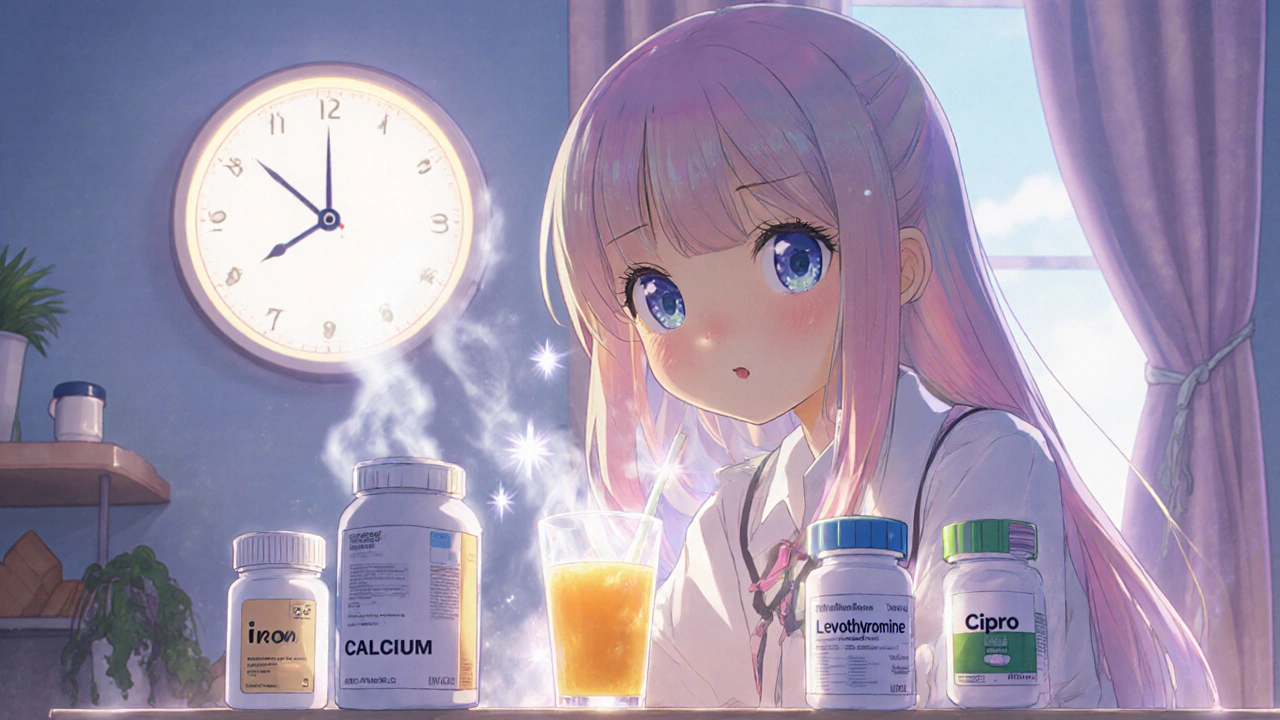
It’s not just about allergies. Medication interactions, when two or more drugs affect each other’s behavior in your body. Also known as drug interactions, they are silent killers. Combining SSRIs with NSAIDs? That’s a recipe for stomach bleeding. Taking calcium with thyroid meds? You’re blocking absorption. These aren’t rare edge cases—they’re daily mistakes made by patients and even pharmacists who don’t know the timing rules. This month’s guides showed exactly how to space out supplements, verify controlled substance doses, and spot when a label says "take with food" but actually means "don’t take with dairy."
And then there’s the quiet crisis: kids finding pills, elderly patients misusing inhalers, or transplant recipients skipping doses because generics cost less—but they don’t know if they’re safe. We covered how to lock up meds so child-resistant caps actually work, how to use an inhaler so it doesn’t waste 80% of your dose, and why immunosuppressants need extra scrutiny when your body can’t fight off infections. Every post this month was built on one truth: knowing your meds isn’t optional—it’s the difference between managing your health and surviving it.
Below, you’ll find the full set of November 2025 guides—each one a clear, step-by-step fix for a real problem you might be facing right now. No fluff. No theory. Just what you need to stay safe, informed, and in control of your own treatment.