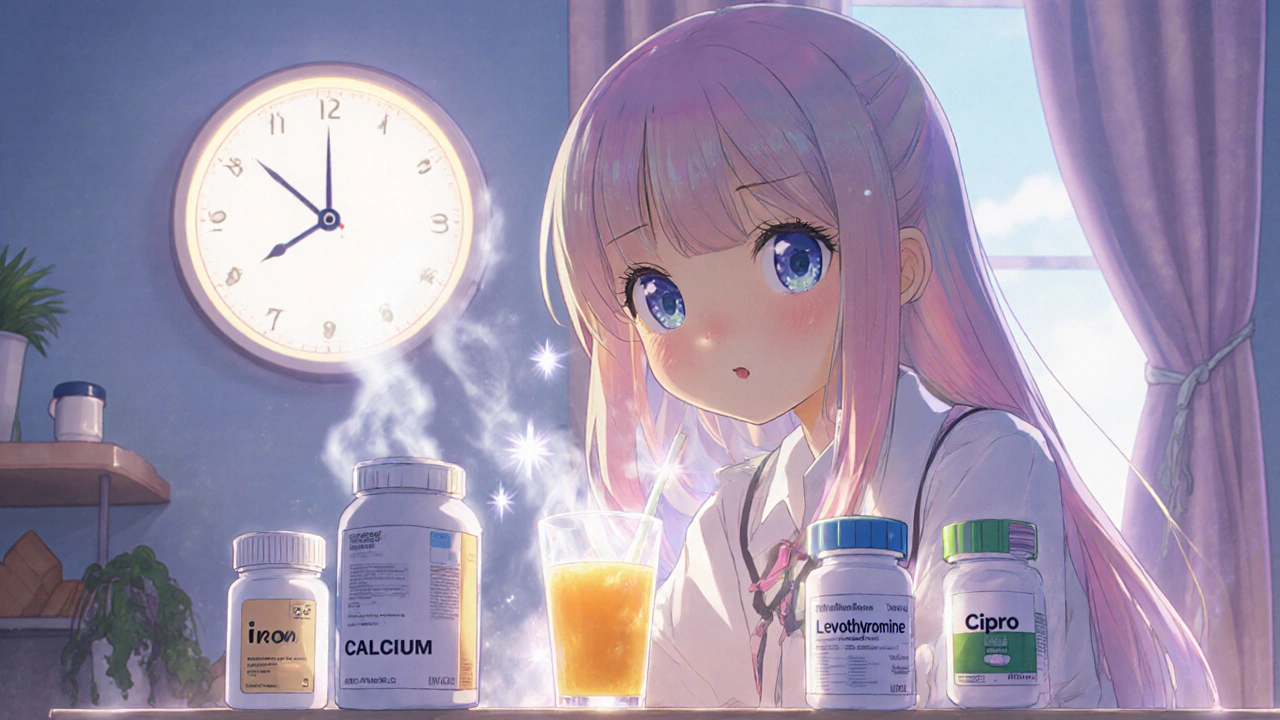
When you take a medication, a substance prescribed or used to treat, prevent, or manage a health condition. Also known as drug, it works by changing how your body functions—whether it’s for blood pressure, depression, or diabetes—it’s not acting alone. Many people also take supplements, products like vitamins, herbs, or minerals taken to support health. Also known as nutritional supplements, they’re often seen as harmless. But here’s the catch: medication interactions with supplements are real, common, and sometimes dangerous. You might think a daily multivitamin or fish oil is just harmless support, but it could be lowering your blood thinner’s effect, raising your blood sugar, or making your antidepressant less effective. These aren’t rare edge cases—they happen every day, often without anyone noticing until something goes wrong.
Take St. John’s Wort, a herbal supplement often used for mild depression. It’s sold as natural, so people assume it’s safe. But it can slash the levels of antidepressants like citalopram, birth control pills, and even HIV meds in your blood—making them useless. Or consider vitamin K, a nutrient that helps blood clot. If you’re on warfarin, a blood thinner, suddenly eating more kale or popping a vitamin K supplement can undo the drug’s effect and put you at risk for clots. Even something as simple as calcium, a mineral commonly taken for bone health can block your thyroid medicine or antibiotics like ciprofloxacin from being absorbed. These aren’t myths. They’re documented reactions that doctors see regularly. And the problem isn’t just herbs or vitamins—it’s also things like garlic pills, ginkgo, magnesium, and even green tea extracts. They don’t show up on your prescription label, so you might forget to mention them at your appointment. But your body doesn’t forget.
It’s not about avoiding supplements. It’s about knowing what’s safe with your meds. If you’re on any prescription—especially for heart conditions, mental health, diabetes, or after a transplant—you need to treat supplements like medicine. Ask your pharmacist. Bring your bottle. Write down everything you take, even if you think it’s "just a little." The posts below break down real cases: how fish oil affects blood thinners, why iron pills mess with antibiotics, what happens when you mix turmeric with blood pressure drugs, and how to spot the quiet signs that something’s off. You’ll find clear comparisons, practical tips, and what to do if you’ve already mixed things up. This isn’t theory. It’s what keeps people out of the ER.