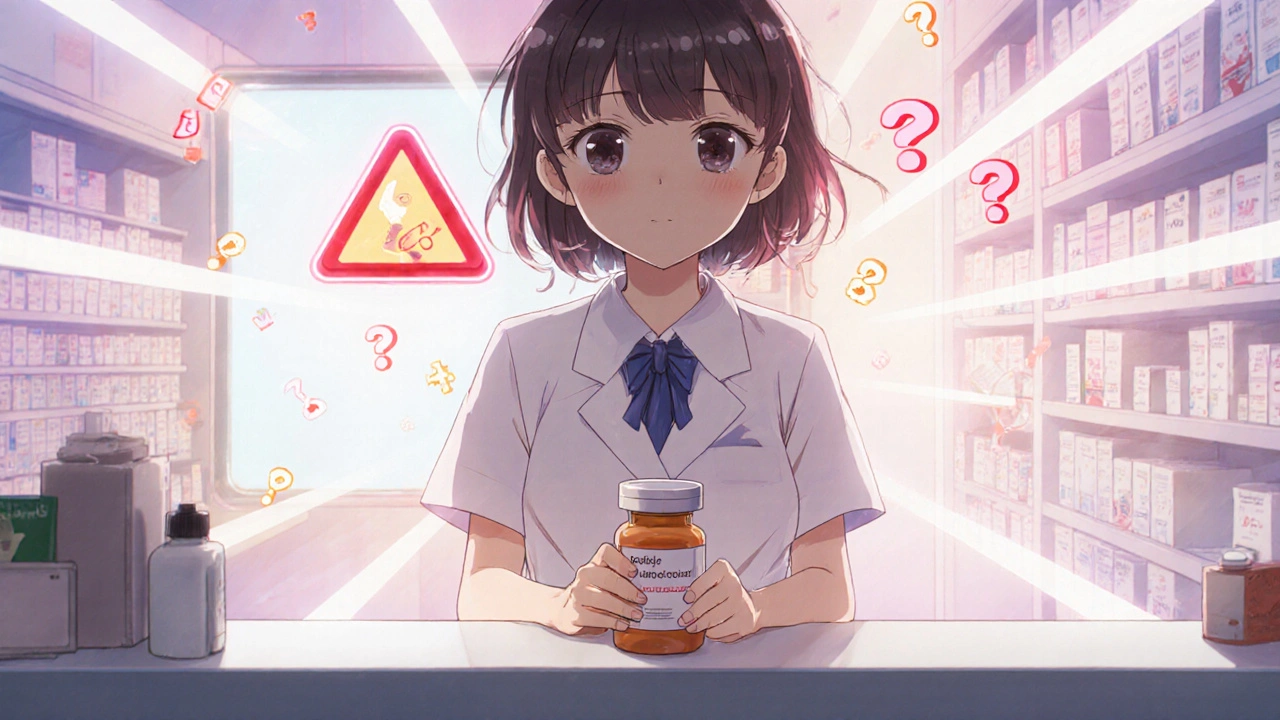
When your body reacts badly to a medicine, it’s not always just a side effect—it could be a medication allergy reaction, an immune system response to a drug or its components that can range from mild rash to life-threatening shock. Also known as drug hypersensitivity, this isn’t the same as nausea or dizziness. A true allergy means your immune system sees the drug as an invader and attacks it—sometimes with serious consequences.
Many people confuse pseudoallergy, a non-immune reaction that mimics allergy symptoms, often caused by histamine release from opioids or other drugs with a real allergy. Itching after morphine? That’s usually pseudoallergy—not an immune response. But if you break out in hives, swell up, or have trouble breathing after taking any pill or injection, that’s a red flag. And it’s not always the active ingredient. inactive ingredients, the fillers, dyes, and preservatives in pills that don’t treat your condition but can still trigger reactions like lactose, gluten, or FD&C dyes are behind many hidden drug allergies. One person might react to the dye in a generic pill while tolerating the brand-name version with the same active drug.
Knowing the difference saves lives. If you’ve had a reaction before, don’t assume all versions of a drug are safe. Check the excipients. Ask your pharmacist for the full ingredient list. Even if you’ve taken a drug for years, your body can suddenly start reacting. And if you’re allergic to one antibiotic, you might react to others in the same family—like penicillin and amoxicillin. It’s not just about avoiding the drug; it’s about understanding what’s really causing the problem.
Write down exactly what you took, when, and what happened. Include symptoms like itching, swelling, rash, vomiting, or trouble breathing. Bring this to your doctor or allergist. They can help you figure out if it’s a true allergy or just a side effect. Skin tests or blood tests might be needed. In the meantime, keep a list of all drugs you can’t take—and don’t forget to include the inactive ingredients that bother you. That list is your shield.
Below, you’ll find real guides on how to spot hidden allergens in generics, how to tell opioid itching from a real allergy, and what to do when your body says no to a medicine you thought was safe. These aren’t theory pieces—they’re practical tools from people who’ve been there. Whether you’re managing a known allergy or just wondering why you broke out after a pill, this collection gives you the facts you need to stay in control.