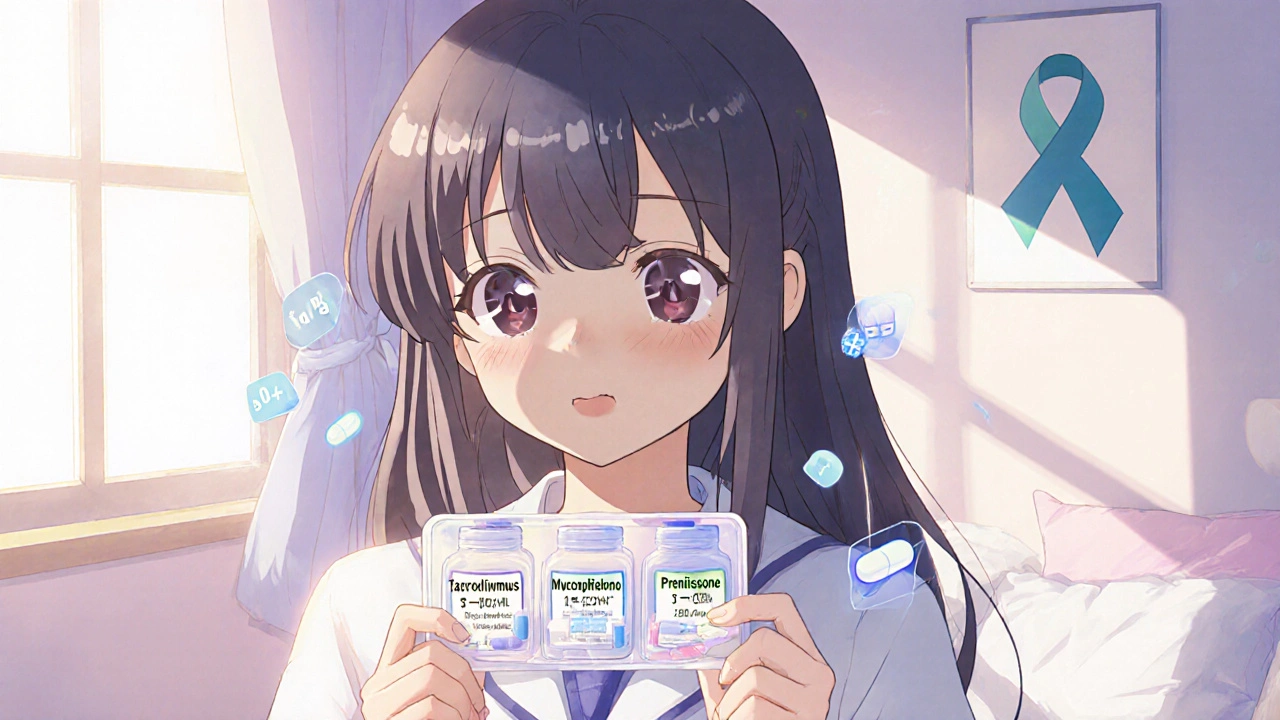
When your immune system turns against your own body—attacking joints, skin, or organs—it’s not overreacting. It’s malfunctioning. That’s where generic immunosuppressants, medications that reduce immune system activity to prevent damage from autoimmune disorders or transplant rejection. Also known as immunosuppressive drugs, they help millions stay alive after organ transplants and manage conditions like lupus, rheumatoid arthritis, and Crohn’s disease. These aren’t antibiotics or painkillers. They don’t kill germs or ease discomfort. They quiet down your body’s defense system so it doesn’t destroy itself.
People taking these drugs are often called immunocompromised patients, individuals whose immune systems are intentionally weakened by medication to prevent rejection or autoimmunity. That means even a cold can turn serious. Infections that a healthy person shrugs off can land them in the hospital. That’s why knowing the signs of infection—fever, unusual fatigue, sore throat, or even mild skin redness—isn’t optional. It’s survival. And it’s why many of the posts here focus on how these drugs interact with other meds, what side effects to expect, and how to avoid dangerous mistakes.
Autoimmune disease treatment, the use of drugs to control the body’s mistaken attack on its own tissues. relies heavily on these medications. Drugs like azathioprine, cyclosporine, and mycophenolate are common. Many are now available as generics—same active ingredients, same results, but much cheaper. That’s huge for people who need to take them for life. But cheap doesn’t mean safe if you don’t understand how they work. You can’t just stop them. You can’t mix them with certain supplements or antibiotics without risking organ damage or severe infection. And yes, some of these drugs can raise your risk of skin cancer or lymphoma over time. That’s why knowing what you’re taking, why you’re taking it, and what to watch for isn’t just helpful—it’s life-saving.
What you’ll find below isn’t theory. It’s real advice from people managing these drugs daily. Posts cover how to spot early signs of infection, why calcium or iron supplements can interfere with absorption, how to tell if a reaction is an allergy or just a side effect, and what alternatives exist when one drug stops working. You’ll see how these medications connect to everything from antibiotic use to kidney health to cancer risk. There’s no fluff. Just facts, risks, and practical steps you can use right away.