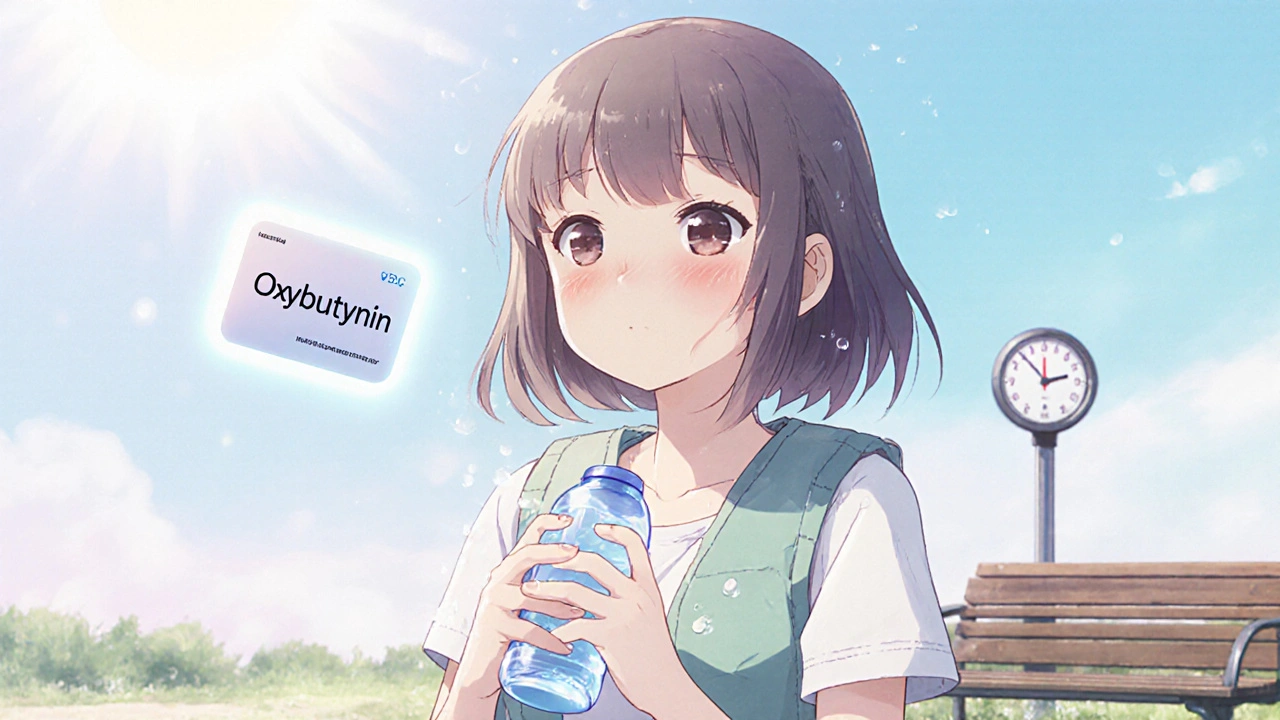
When your body can’t cool down properly, it’s not always because it’s too hot outside. Drug-induced heat risk, a dangerous rise in body temperature caused by certain medications. Also known as medication-induced hyperthermia, it’s not rare — and it’s often ignored until it’s too late. This isn’t just about sweating more. It’s about your body’s thermostat going haywire because of something you took to feel better.
Think about common meds like antidepressants, especially SSRIs, or painkillers like NSAIDs. They’re not meant to make you overheat, but they can block your body’s natural cooling signals. Antipsychotics? Same story. Even some blood pressure pills and antihistamines can quietly raise your core temperature when you’re active or in the sun. You might feel dizzy, dry-mouthed, or just oddly tired — and blame it on the weather. But if you’re on one of these drugs, it could be your medication.
It’s not just the drug itself. It’s what you mix it with. Taking an SSRI with an NSAID? That combo can mess with your body’s fluid balance and make heat stress worse. People on multiple meds for chronic conditions are especially at risk. Older adults, athletes, or anyone working outdoors need to pay extra attention. Your body doesn’t always warn you before it starts to fail. No one tells you that your morning pill could turn a simple walk into a medical emergency.
There’s no single test for this. Doctors rarely check for it unless you’re already in trouble. But you can spot the signs early: unusual fatigue, confusion, rapid heartbeat, or skin that’s hot but dry — not sweaty. If you’re on any of these meds and notice these symptoms during heat, don’t wait. Stop, cool down, and get help. This isn’t just heat exhaustion. It’s a drug reaction.
Below, you’ll find real guides on medications that can trigger this risk — from SSRIs to muscle relaxants, from antibiotics to antifungals. You’ll learn how to spot the hidden culprits, what to ask your pharmacist, and how to adjust your routine so heat doesn’t turn your meds into a threat. This isn’t about avoiding treatment. It’s about using your meds safely — no matter the temperature outside.