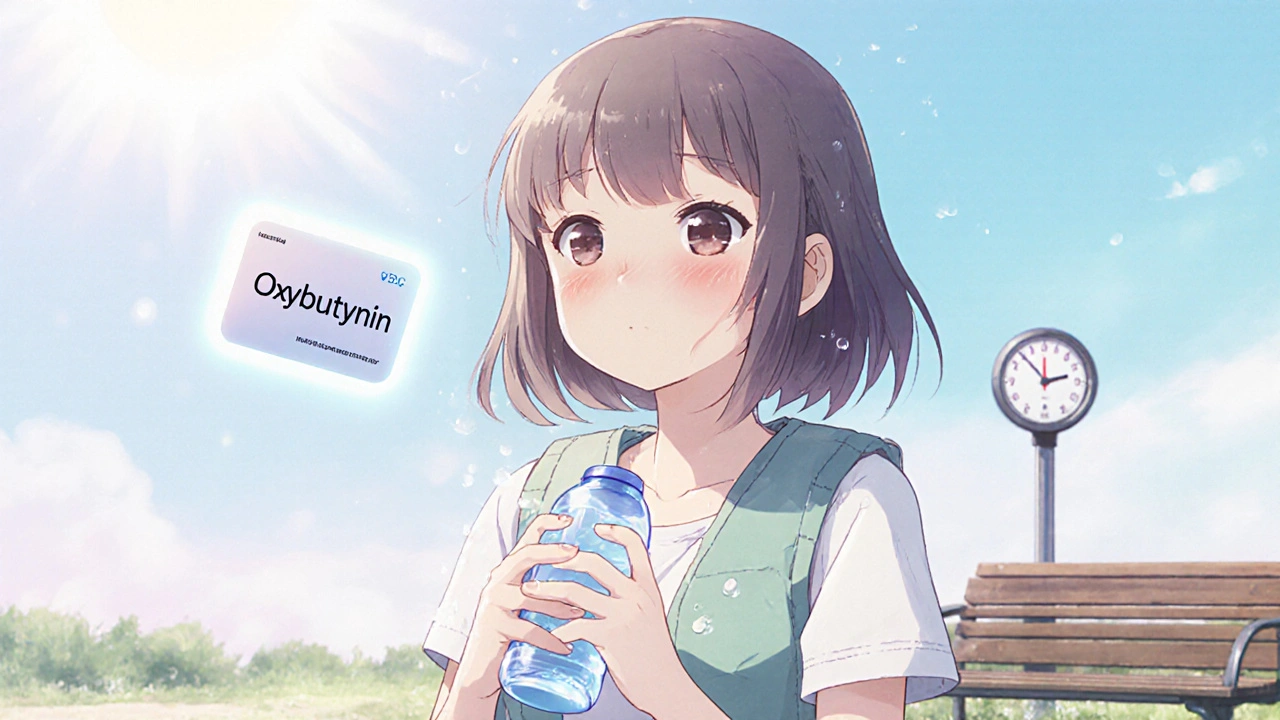
When your body stops sweating normally, it’s not just uncomfortable—it’s a warning sign. This condition, called anhidrosis, the inability to sweat normally, which can lead to dangerous overheating. Also known as decreased sweating, it happens when sweat glands don’t respond to rising body temperature, whether from heat, exercise, or stress. Sweating is your body’s main way to cool down. If you’re not sweating enough, your core temperature can spike fast, leading to heat exhaustion or even heat stroke—especially in older adults or people with chronic conditions.
Many medications can cause decreased sweating as a side effect. For example, anticholinergics, drugs that block acetylcholine, a nerve signal that triggers sweat production. Also known as antimuscarinics, they’re found in some antidepressants, bladder medications, and even over-the-counter cold pills. If you’re taking SSRIs, like those discussed in our posts on SSRIs and NSAIDs or citalopram hydrobromide, you might notice less sweating even if you didn’t expect it. Other common culprits include blood pressure drugs, antipsychotics, and even some muscle relaxants like Skelaxin. The problem isn’t always the drug itself—it’s how it interacts with your autonomic nervous system, the part of your body that controls sweat, heart rate, and digestion without you thinking about it.
It’s not just drugs. Nerve damage from diabetes, autoimmune diseases, or skin conditions like psoriasis can block sweat glands. Some people are born with rare genetic disorders that affect sweat production. Even dehydration or long-term use of certain topical creams can reduce sweating over time. If you’re suddenly not sweating during workouts, in hot rooms, or even when you’re stressed, it’s not just "being tough"—it’s your body telling you something’s off.
What makes decreased sweating dangerous isn’t the lack of sweat itself—it’s what happens next. Without sweat, your body can’t cool down. You might feel dizzy, nauseous, or flushed. Your skin stays dry and hot. In extreme cases, you can collapse without realizing why. Older adults, athletes, and people with heart conditions are at higher risk. If you’ve noticed this change, especially if you’re on any of the medications mentioned in our posts about medication interactions or immunosuppressants, it’s time to pay attention.
Below, you’ll find real-world guides that connect decreased sweating to other health issues—like how certain antibiotics affect body temperature regulation, why some diabetes drugs change how your skin responds, and what to do when your meds leave you overheating. These aren’t just theory—they’re practical insights from people who’ve been there. Whether you’re managing a chronic condition, adjusting your meds, or just wondering why you’re not sweating like you used to, the information here can help you stay safe and in control.