
Statin Myopathy Risk Calculator
Risk Assessment Tool
This tool helps you understand your personal risk of developing statin-induced myopathy based on factors discussed in the article. It's not a substitute for medical advice, but can help you discuss your concerns with your doctor.
Your Risk Assessment
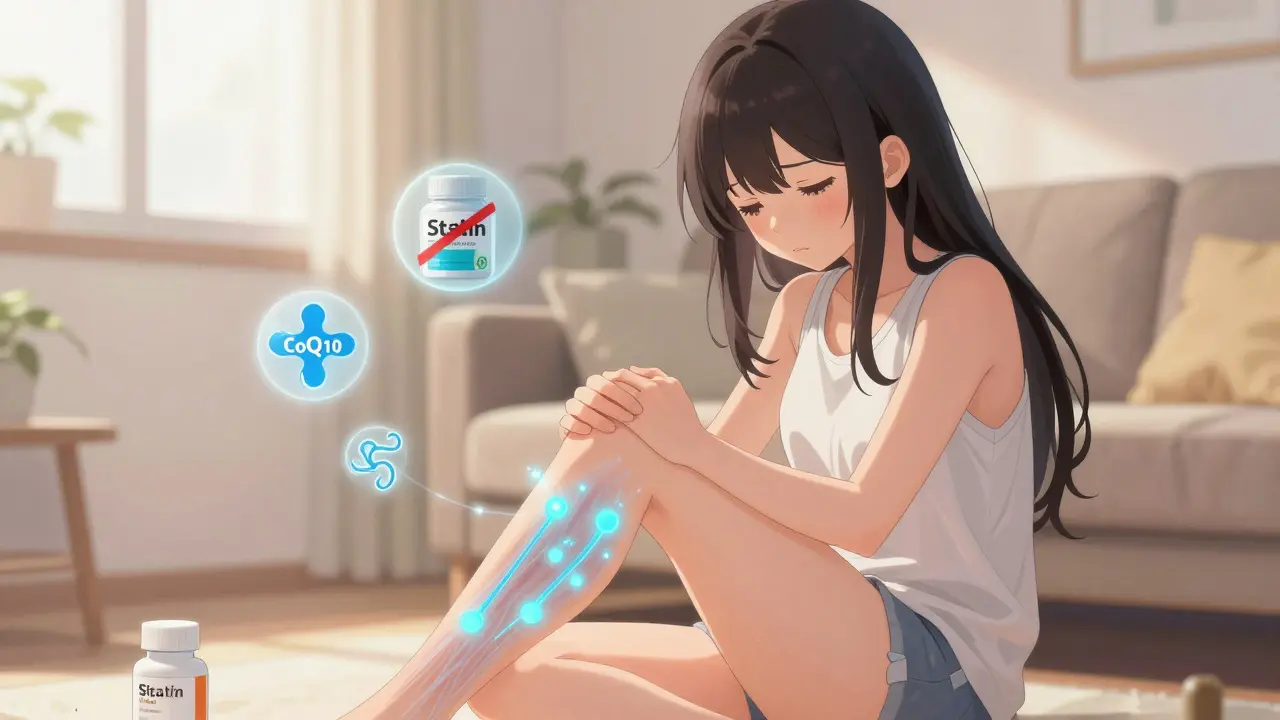
For millions of Americans taking statins to lower cholesterol, muscle pain isn’t just an inconvenience-it can be a dealbreaker. About 1 in 3 people on statins report muscle discomfort, and nearly half of them stop taking the medication because of it. This isn’t just about feeling sore after a workout. Statin-induced myopathy is a real, biologically driven condition that affects how your muscles function at the cellular level. And while it’s often dismissed as "just side effects," the science behind it is complex, measurable, and increasingly understood.
What Exactly Is Statin-Induced Myopathy?
Statin-induced myopathy isn’t one single problem. It’s a spectrum of muscle-related symptoms that range from mild aches to severe weakness and, in rare cases, life-threatening muscle breakdown. The most common signs include:
- Deep, persistent muscle pain, especially in the thighs, shoulders, or lower back
- Unexplained muscle weakness-not just tiredness, but actual difficulty climbing stairs or lifting objects
- Cramping or spasms that don’t go away with stretching or hydration
- General fatigue that doesn’t improve with rest
These symptoms usually show up within the first six months of starting a statin. For most people, they fade within a few weeks after stopping the drug. But for some, the damage lingers. And that’s where things get more serious.
The Three Main Ways Statins Attack Muscle Cells
For years, doctors thought statin muscle pain was just a vague side effect. Now, we know it’s caused by three precise, interconnected biological disruptions-all happening inside your muscle fibers.
1. Calcium Leaks in Muscle Fibers
Your muscles work because calcium flows in and out of cells in a tightly controlled rhythm. Statins disrupt this. They cause a protein called FKBP12 to fall off the ryanodine receptor (RyR1), which is like a gate controlling calcium release in muscle cells. When that gate gets loose, calcium leaks out uncontrollably. Studies show this leak increases by 2.3 times in statin users compared to non-users.
This constant calcium flood triggers enzymes that break down muscle proteins and start cell death. It’s like leaving a faucet running in your basement-eventually, the structure starts to rot. This mechanism explains why the pain is so localized to skeletal muscle and not the heart-cardiac cells have a different calcium gate that statins don’t affect.
2. Depletion of Essential Building Blocks
Statins don’t just block cholesterol. They block the entire pathway that makes cholesterol, including other vital molecules called isoprenoids-specifically farnesyl pyrophosphate and geranylgeranyl pyrophosphate. These aren’t just random byproducts. They’re needed to attach anchors to proteins that control cell signaling, muscle repair, and energy use.
Without them, those proteins float around uselessly. The result? Impaired muscle recovery, disrupted communication between cells, and slower healing after strain. Studies show these compounds drop by 60-80% in muscle tissue after just a few weeks of statin use.
3. CoQ10 Crash and Energy Failure
Coenzyme Q10 (CoQ10) is the battery charger for your mitochondria-the power plants inside every muscle cell. Statins reduce CoQ10 levels in muscle tissue by about 40% within four weeks. That means your muscles can’t produce energy as efficiently. You don’t just feel tired-you feel like your muscles are running on empty.
This energy deficit also increases oxidative stress. Reactive oxygen species (ROS) spike by 35% in affected muscle, damaging cell membranes and DNA. It’s a slow burn that wears down muscle function over time.
The Hidden Autoimmune Threat
For 5-10% of people with persistent statin myopathy, there’s a darker twist: an autoimmune reaction. In these cases, the body starts producing antibodies against HMG-CoA reductase-the very enzyme statins target. This isn’t just a side effect; it’s a misdirected immune attack on muscle tissue.
Most of these patients had taken statins before the reaction started. The condition, called anti-HMGCR myositis, causes severe, long-lasting weakness that doesn’t improve with statin discontinuation alone. It often requires immunosuppressants like methotrexate and prednisone. While it affects only about 0.02% of statin users, it’s the most treatment-resistant form-and it’s growing in recognition.
Who’s Most at Risk?
Not everyone on statins gets muscle pain. But certain factors increase the odds:
- Age over 65-muscle repair slows down naturally
- Female sex-women report higher rates of symptoms
- Small body frame-lower muscle mass means higher drug concentration per pound
- Thyroid disorders-hypothyroidism increases susceptibility
- Chronic kidney disease-reduces statin clearance
- Alcohol use or vitamin D deficiency-both worsen muscle vulnerability
Even drug interactions matter. Taking statins with certain antibiotics (like erythromycin), antifungals, or grapefruit juice can spike statin levels in the blood, pushing you over the safety threshold.
What Actually Works to Fix It?
There’s no one-size-fits-all solution. But recent research gives us clear, evidence-backed strategies.
Step 1: Confirm It’s the Statin
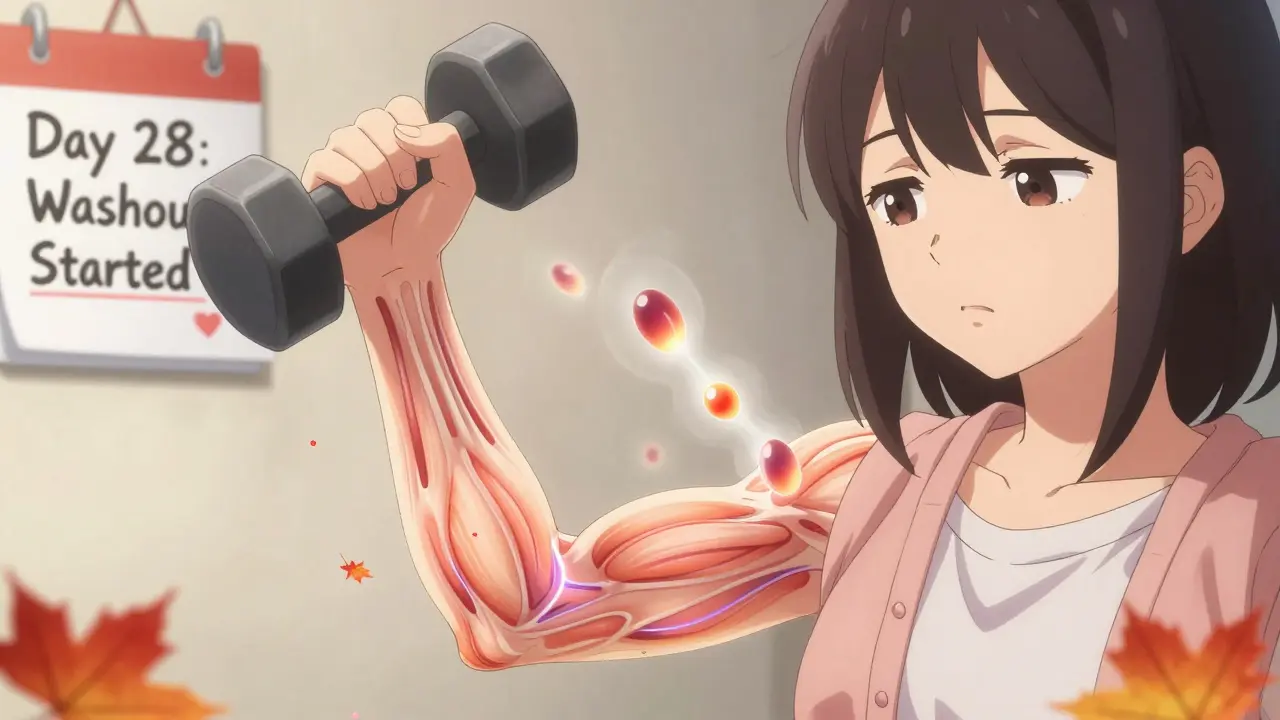
Before you assume it’s the drug, rule out other causes-like thyroid issues, vitamin D deficiency, or overtraining. The gold standard is a statin washout: stop the statin for 4 weeks. If your symptoms improve by 80% or more, it’s almost certainly statin-related. Rechallenging with a lower dose or different statin can confirm it.
Step 2: Try a Different Statin or Lower Dose
Not all statins are equal. Rosuvastatin and atorvastatin are more likely to cause muscle issues than pravastatin or fluvastatin. Switching to a less potent statin or cutting the dose in half helps 65% of patients stay on therapy without symptoms.
Step 3: Add CoQ10-But Be Realistic
CoQ10 supplementation (200 mg/day) helps about 35% of patients. It’s not a magic fix, but for those with low energy and fatigue, it can make a noticeable difference. A 2024 study showed combining CoQ10 with moderate exercise led to 80% symptom resolution-far better than either alone.
Step 4: Move Your Body
Exercise doesn’t make statin myopathy worse-it helps. A 2021 Mayo Clinic study found that patients who did 150 minutes of moderate exercise per week (brisk walking, cycling, swimming) had 41% fewer symptoms than sedentary users. Why? Movement restores FKBP12 binding to RyR1, stopping the calcium leak. It’s like rebooting the system.
Step 5: Switch to Non-Statin Options
If muscle pain persists, it’s time to consider alternatives:
- Ezetimibe: Blocks cholesterol absorption. Lowers LDL by 30%, with muscle side effects in under 4% of users.
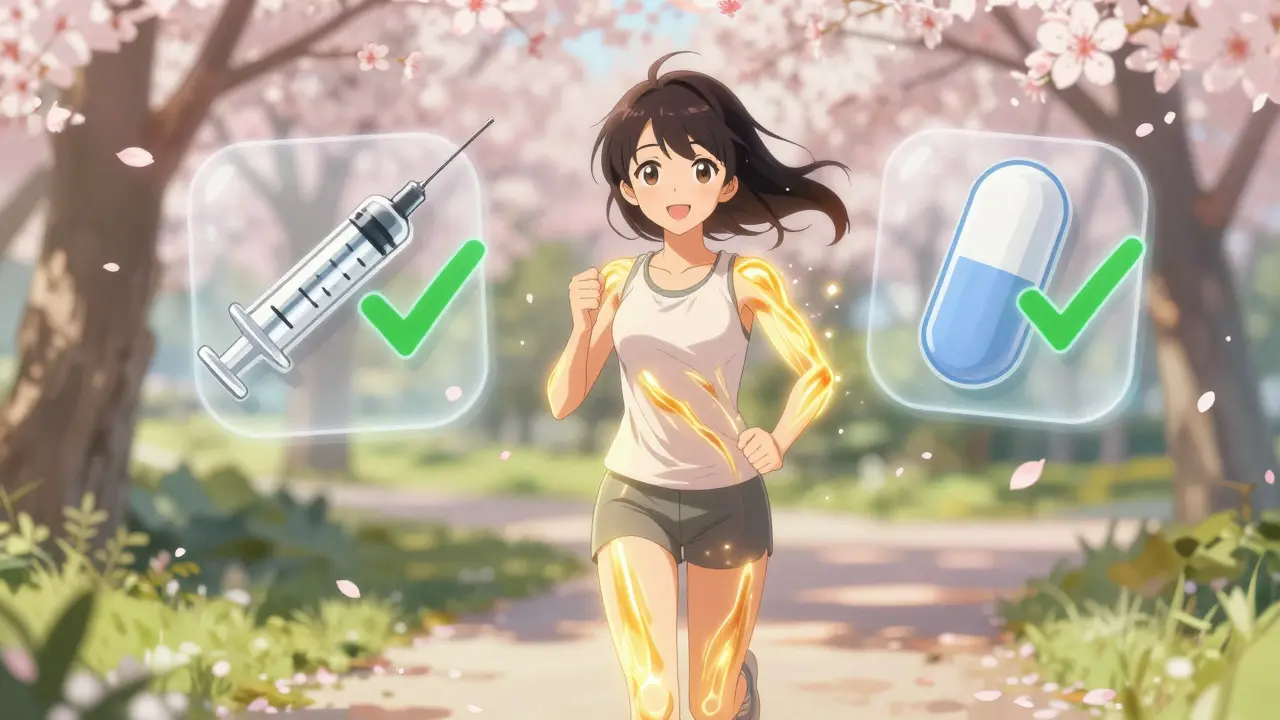
- PCSK9 inhibitors (evolocumab, alirocumab): Injectable drugs that slash LDL by 60%. Muscle-related side effects? Only 3.7% in trials-lower than placebo.
These aren’t cheap-PCSK9 inhibitors cost about $5,850 a year versus $12 for generic atorvastatin. But for someone who can’t tolerate statins, they’re life-changing.
What Doesn’t Work
Don’t waste time on unproven fixes:
- Magnesium or B vitamins: No clinical evidence they help statin myopathy.
- Stretching or massage: May ease soreness temporarily but doesn’t fix the root cause.
- Stopping exercise: This makes things worse. Movement is protective.
The Bigger Picture
Statins prevent heart attacks and strokes. For people with heart disease, diabetes, or high cholesterol, the benefits overwhelmingly outweigh the risks. But for millions of others-especially those taking statins for prevention without clear cardiovascular risk-the trade-off isn’t so clear.
With 39 million Americans on statins and 6 million experiencing muscle symptoms each year, this isn’t a niche issue. It’s a public health challenge. New statin formulations in development aim to target the liver while avoiding muscle tissue entirely. Two candidates, STT-101 and STT-202, show 70% less muscle penetration in early trials.
Until then, the best approach is personalized: confirm the diagnosis, try the least invasive fixes first, and don’t be afraid to switch therapies. Your muscles matter. Your heart matters. You don’t have to choose one over the other.
Can statin muscle pain go away on its own?
Yes, in most cases. About 80% of people who stop taking a statin see muscle symptoms fade within 1 to 4 weeks. This is why doctors recommend a statin washout period to confirm the cause. If symptoms don’t improve after 4 weeks, other causes should be investigated.
Is CoQ10 supplementation proven to help with statin myopathy?
Evidence is mixed but promising. Clinical trials show CoQ10 (200 mg/day) reduces symptoms in about 35% of users. When combined with moderate exercise, resolution rates jump to 80%. It’s not a cure, but it’s one of the few interventions with biological plausibility and clinical support.
Do all statins cause muscle pain equally?
No. High-potency statins like atorvastatin and rosuvastatin are more likely to cause muscle symptoms than lower-potency ones like pravastatin or fluvastatin. Lipophilic statins (those that dissolve in fat) penetrate muscle tissue more easily, increasing risk. Switching statins can resolve symptoms in 40% of cases.
Can I take statins if I have a muscle disorder like fibromyalgia?
It’s possible, but requires caution. Fibromyalgia patients often report widespread pain, which can make it hard to tell if new symptoms are from statins or their existing condition. Doctors usually start with a low dose, monitor closely, and use a washout period if symptoms worsen. Exercise and CoQ10 may help mitigate risks.
Why do some people get autoimmune myositis from statins?
In rare cases, the immune system mistakes the HMG-CoA reductase enzyme-targeted by statins-as a threat. This triggers production of anti-HMGCR antibodies, which attack muscle tissue. It typically happens after prior statin exposure and affects less than 0.02% of users. It requires immunosuppressive treatment and is not reversible by stopping the statin alone.
Is it safe to stop statins if I have muscle pain?
Don’t stop without talking to your doctor. While muscle pain is common, stopping statins without a replacement plan can raise your risk of heart attack or stroke-especially if you have existing heart disease. The goal is to find a solution that protects both your muscles and your heart.
Chris Crosson
March 24, 2026 AT 09:33Linda Foster
March 25, 2026 AT 17:51Rama Rish
March 26, 2026 AT 14:00Chris Farley
March 26, 2026 AT 17:31James Moreau
March 28, 2026 AT 01:17J. Murphy
March 28, 2026 AT 23:35Jesse Hall
March 30, 2026 AT 15:50Sean Bechtelheimer
March 31, 2026 AT 09:47Alex Arcilla
April 2, 2026 AT 05:44Brandon Shatley
April 2, 2026 AT 14:16Mihir Patel
April 3, 2026 AT 22:21