
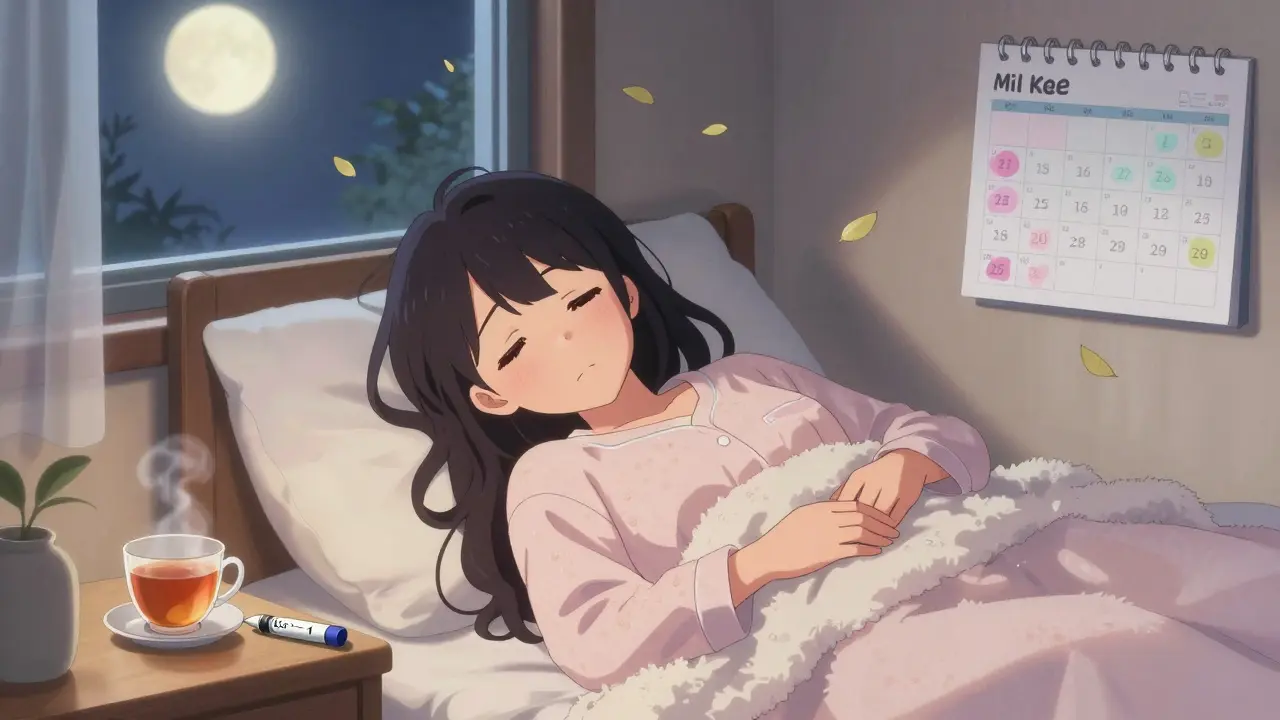
When you start a GLP-1 medication like Wegovy, Ozempic, or Mounjaro for weight loss, the first thing most people notice isn’t the scale dropping-it’s the nausea. It hits hard, often right after the first injection. You feel queasy, maybe even sick to your stomach. It’s not just uncomfortable-it makes you wonder if the medication is worth it. But here’s the truth: for most people, this nausea fades. And if you know how to manage it, you can keep going, lose weight, and keep your health on track.
Why GLP-1 Medications Cause Nausea
GLP-1 medications work by slowing down how fast your stomach empties. That’s not a bug-it’s the feature. Slower digestion means you feel full longer, eat less, and your blood sugar stays steadier. But that same effect can make your stomach feel full even when it’s not. Food sits there longer. Your brain gets confused. And nausea follows. This isn’t random. Clinical trials show 20% to 30% of people get nausea at the start. At the highest doses-like Wegovy’s 2.4 mg or Mounjaro’s 15 mg-that number jumps to 30% to 45%. It’s the most common side effect by far. And it’s not just about feeling sick. It can make you avoid meals, skip doses, or quit entirely. But here’s what most people don’t realize: the nausea usually gets better. The Mayo Clinic says it often improves within weeks. A Reddit survey of over 1,200 users found 72% felt better after 2 to 4 weeks at each new dose. Your body adapts. The trick is getting through the first few weeks without giving up.Dosing Schedules: Why They’re So Slow
You won’t start at the full dose. That’s intentional. Every GLP-1 medication has a slow ramp-up to protect your stomach. For Wegovy (weight loss):- Week 1-4: 0.25 mg
- Week 5-8: 0.5 mg
- Week 9-12: 1 mg
- Week 13-16: 1.7 mg
- Week 17+: 2.4 mg (maintenance) For Ozempic (diabetes, sometimes used off-label for weight loss):
- Week 1-4: 0.25 mg
- Week 5+: 0.5 mg
- After 4 weeks at 0.5 mg: can go to 1 mg or 2 mg For Mounjaro (tirzepatide):
- Week 1-4: 2.5 mg
- Week 5-8: 5 mg
- Week 9-12: 7.5 mg
- Week 13-16: 10 mg
- Week 17+: 12.5 mg or 15 mg The schedule for Wegovy takes 17 weeks to reach the full dose. Mounjaro takes about 20. That’s longer than most people expect. But rushing this step is the #1 reason people quit. If you jump ahead because you’re frustrated, nausea gets worse. And you might not come back.
How to Reduce Nausea: 7 Proven Tips
You don’t have to suffer. These strategies work for most people who stick with them:- Take it at bedtime. A Cleveland Clinic survey found 63% of users had less nausea when injecting at night. You sleep through the worst of it.
- Eat smaller meals, more often. Instead of three big meals, try five small ones. Large meals overwhelm your slowed stomach.
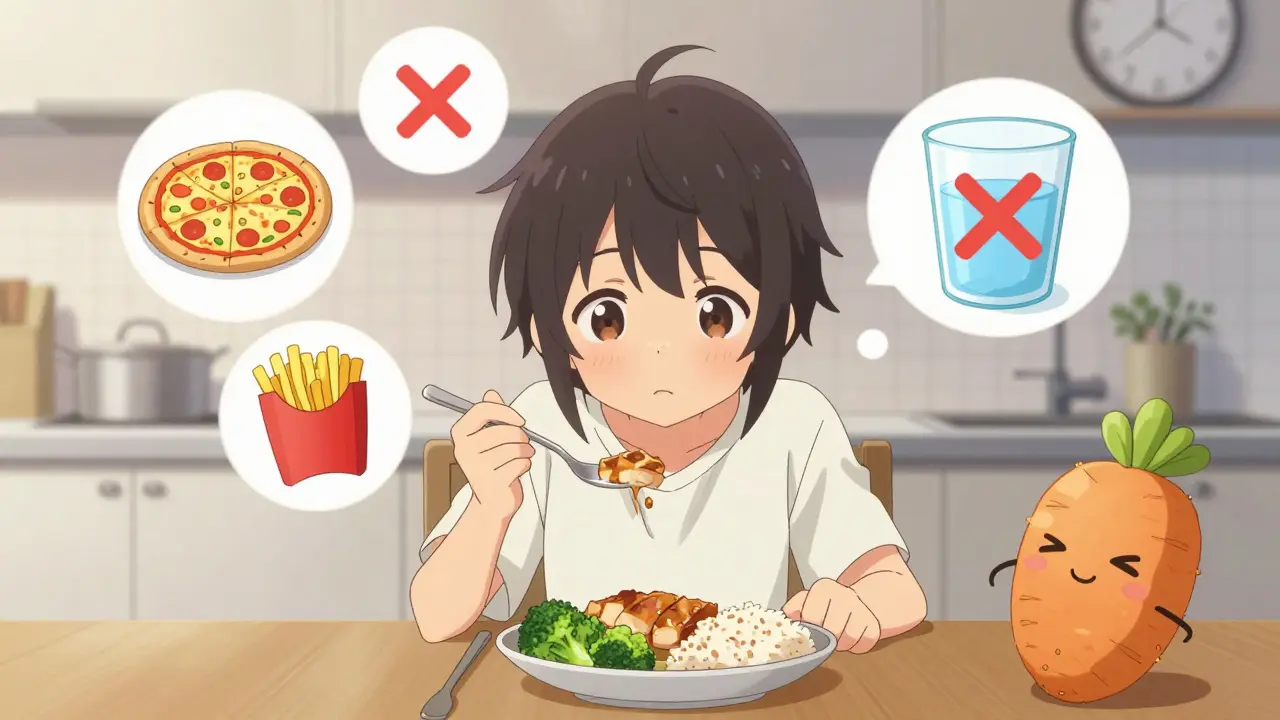
- Avoid greasy, fried, or ultra-processed foods. Fat slows digestion even more. Pizza, fries, and pastries make nausea worse. Stick to lean protein, vegetables, and whole grains.
- Drink water-but not with meals. Sip water between meals. Drinking while eating stretches your stomach, which triggers nausea. Aim for 1.5-2 liters a day.
- Try ginger. Ginger tea, ginger chews, or capsules help. A National Obesity Society survey found 78% of specialists recommend it. It’s natural, safe, and works for many.
- Don’t lie down right after eating. Stay upright for at least 30 minutes. Gravity helps keep food where it belongs.
- Be patient through the first 4 weeks. Weight loss is minimal in the first two months. You’re not failing-you’re adjusting. Most people lose 2-3% of their body weight in the first 8 weeks. Real results come after dose increases.
When to Call Your Doctor
Nausea is normal. Vomiting, dizziness, or pain isn’t. If you experience any of these, contact your provider:- Vomiting more than once a day
- Severe abdominal pain
- Signs of dehydration (dark urine, dizziness, dry mouth)
- Nausea that doesn’t improve after 4 weeks at the same dose
- Unexplained weight loss beyond what’s expected
What Happens If You Stop?
Many people quit because of nausea. But here’s what you lose when you do: A 2023 survey by the Obesity Action Coalition found that 89% of people who pushed through the first 12 weeks lost at least 5% of their body weight. Only 47% of those who quit before then did. That’s a huge difference. Stopping also means losing the other benefits. GLP-1 medications don’t just help you lose weight. The 2023 SELECT trial showed semaglutide reduced major heart events by 20% in people with obesity-even if they didn’t have diabetes. That’s not just about looks. It’s about living longer.
What’s Next for GLP-1 Medications
The market is exploding. Global sales hit $17.8 billion in 2022 and are expected to hit $54 billion by 2027. New options are coming. Novo Nordisk is testing an oral version of semaglutide, expected in 2025. Early data suggests it may cause less nausea than injections. Tirzepatide (now sold as Zepbound for weight loss) has shown even better results than semaglutide in trials. In the SURMOUNT-2 study, people lost an average of 20.9% of their body weight at the highest dose. But it also had slightly higher rates of nausea. The biggest hurdle now? Access. Wegovy and Ozempic were on the FDA’s drug shortage list for 14 straight months through October 2023. Insurance coverage is still patchy. Without insurance, annual costs range from $9,000 to $13,000. But more employers are covering it-32% of Fortune 500 companies now do, up from 9% in 2021.Final Thought: This Isn’t a Quick Fix. It’s a Lifestyle Shift.
GLP-1 medications aren’t magic pills. They’re tools. And like any tool, they work best when you use them right. The nausea is temporary. The weight loss? That can last-if you stick with it. Don’t compare your week 3 to someone else’s month 6. Your journey is yours. Take the slow dose increases. Eat mindfully. Stay hydrated. Use ginger. Sleep through the nausea. And remember: the goal isn’t to feel perfect. It’s to feel better than you did before.How long does GLP-1 nausea last?
For most people, nausea peaks in the first 2-4 weeks at each new dose and improves significantly after that. By the time you reach your maintenance dose-usually after 16-20 weeks-many report nausea is mild or gone. But it varies. Some feel better in 3 weeks; others take 6-8 weeks. Patience is key.
Can I take GLP-1 medications with food?
Yes. GLP-1 medications like Wegovy, Ozempic, and Mounjaro can be taken with or without food. But if you’re struggling with nausea, it’s better to take them with a small, low-fat meal. Avoid large or greasy meals, which can make nausea worse.
Is it safe to skip a dose if I’m nauseous?
Occasionally skipping a dose due to nausea is okay, but don’t make it a habit. If you miss a dose, take it as soon as you can if it’s within 5 days. If it’s been longer than 5 days, skip the missed dose and resume your regular schedule. Never double up. Always check with your doctor if nausea is severe or persistent.
Do all GLP-1 medications cause the same level of nausea?
No. Tirzepatide (Mounjaro/Zepbound) tends to cause slightly more nausea than semaglutide (Wegovy/Ozempic), especially at higher doses. But semaglutide can still cause nausea in up to 45% of users at the maximum dose. Liraglutide (Victoza) generally causes less nausea but also leads to less weight loss. The trade-off is between side effects and results.
Will I gain the weight back if I stop?
Yes, most people do. GLP-1 medications work as long as you take them. Once you stop, your appetite and metabolism tend to return to pre-treatment levels. Studies show weight regain can happen within 6-12 months after stopping. That’s why many experts recommend using these drugs as part of a long-term lifestyle plan-not a short-term fix.
Are there alternatives to injections?
An oral version of semaglutide (Rybelsus) is already approved for type 2 diabetes and causes less nausea than injections. A new oral formulation for weight loss is expected in 2025. Until then, injections are the only FDA-approved option for weight management. Avoid compounded versions-they’re not regulated and can be unsafe.
Can I drink alcohol while on GLP-1 medications?
It’s best to limit alcohol. Alcohol can irritate your stomach and worsen nausea. It also adds empty calories, which can slow weight loss. If you drink, do so in moderation and never on an empty stomach. Stick to low-sugar options like dry wine or spirits with soda water.
Next Steps: What to Do Now
If you’re just starting GLP-1 therapy:- Write down your symptoms in a journal. Note when nausea happens, what you ate, and what helped.
- Set a reminder to take your injection at the same time every week-ideally before bed.
- Stock up on ginger tea, crackers, and clear broths for rough days.
- Join a support group. Reddit’s r/semaglutide has over 150,000 members sharing real experiences.
- Talk to your doctor about your plan for dose increases. Don’t rush. If you’ve been on it for a while and nausea is still bad:
- Ask about dropping back a dose temporarily.
- Consider switching to a different GLP-1 if one isn’t working for you.
- Rule out other causes: thyroid issues, gastritis, or food intolerances can mimic GLP-1 side effects. This isn’t about willpower. It’s about science. And science says: you can get through this. The nausea won’t last forever. But the results? They can change your life.
Lindsey Wellmann
January 10, 2026 AT 09:43Drew Pearlman
January 10, 2026 AT 21:20Meghan Hammack
January 12, 2026 AT 13:48Maggie Noe
January 13, 2026 AT 09:57Alicia Hasö
January 15, 2026 AT 01:58Heather Wilson
January 15, 2026 AT 02:53Chris Kauwe
January 15, 2026 AT 14:52Ian Long
January 17, 2026 AT 03:33Pooja Kumari
January 18, 2026 AT 20:35